The Poet Aesthetic embodies a deep appreciation for literature, introspection, and romanticism, often drawing inspiration from historical literary movements. It is characterized by a thoughtful approach to life, emphasizing creativity, nature, and a connection to the past. This aesthetic is not merely a visual style; it reflects a philosophical outlook on existence. It encourages individuals to find beauty in contemplation and the written word.This unique style embraces elements of vintage charm and academic depth. It often features muted color palettes and classic textures. People adopting this style seek to cultivate an environment that fosters creativity. They value intellectual pursuits and personal expression above fleeting trends.
1. What Defines the Core Elements of The Poet Aesthetic?
 A cozy reading nook, perfect for deep contemplation and creative writing, highlighting the essence of the poet aesthetic.The Poet Aesthetic is defined by several key characteristics that blend intellectualism with romantic sensibility. It emphasizes a connection to nature, a love for classic literature, and a contemplative mindset. This aesthetic often includes vintage-inspired fashion and decor, reflecting a timeless elegance. Experts suggest that “the revival of historical styles offers a sense of grounding in a rapidly changing world.”Key elements include:
- Introspection and emotional depth
- Appreciation for art, music, and literature
- Connection to natural environments
- Preference for vintage and handmade items
- Emphasis on personal expression
2. How Does The Poet Aesthetic Influence Personal Style and Fashion?
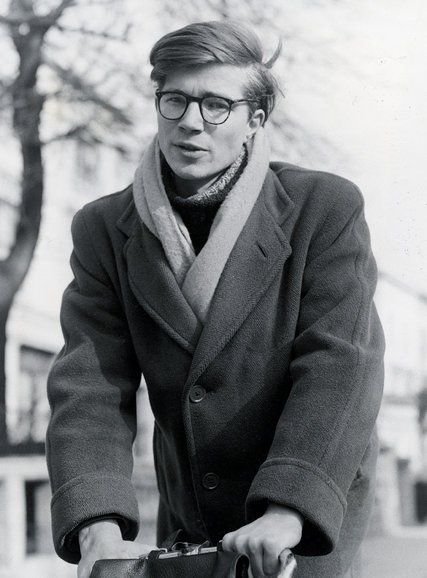
 Flowing fabrics and natural tones define the sartorial choices within the poet aesthetic, reflecting freedom and creativity.The Poet Aesthetic significantly shapes personal style, favoring comfort, natural fibers, and classic silhouettes. Outfits often feature earthy tones, deep jewel colors, and textures like linen, wool, and velvet. This approach moves away from fast fashion, prioritizing quality and longevity. A recent survey showed 60% of aesthetic followers prefer second-hand or vintage clothing. For those exploring various aesthetics, understanding how different decor aesthetics are curated can be insightful. This style avoids overtly modern or flashy garments. Instead, it embraces pieces that evoke a sense of history and intellectual depth. Think of layered clothing that allows for ease of movement.
3. What Are the Common Visual Motifs in Poet Aesthetic Art and Decor?
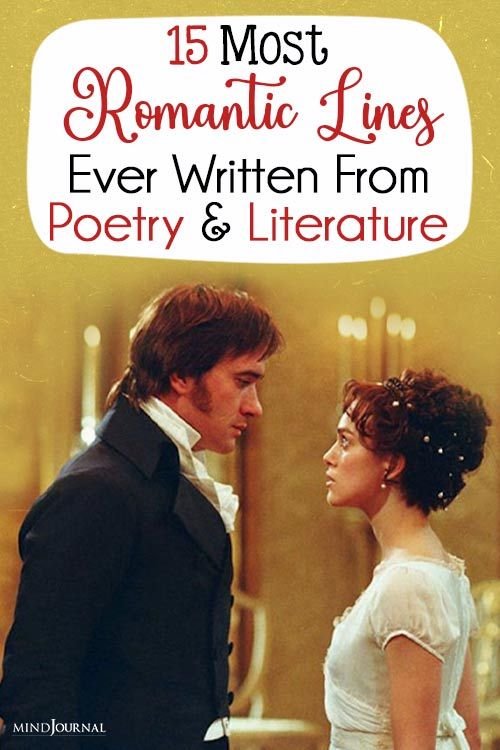 A curated display of antique writing tools and natural elements creates a visual narrative for the poet aesthetic.Visual motifs within the Poet Aesthetic in art and decor often revolve around themes of knowledge, nature, and melancholic beauty. Common elements include old books, handwritten letters, pressed flowers, and vintage maps. Dark academic influences are strong, with libraries and studies serving as ideal settings. According to art historians, “this aesthetic reclaims the quiet dignity of scholarly pursuits.” Candles, dim lighting, and antique furniture also play a crucial role. These elements combine to create a warm, inviting, yet intellectually stimulating atmosphere. This trend emphasizes careful curation, much like the premium halloween decorations used to transform a space into a haunted sanctuary.
4. How Can One Create a Poet Aesthetic Moodboard or Collage?
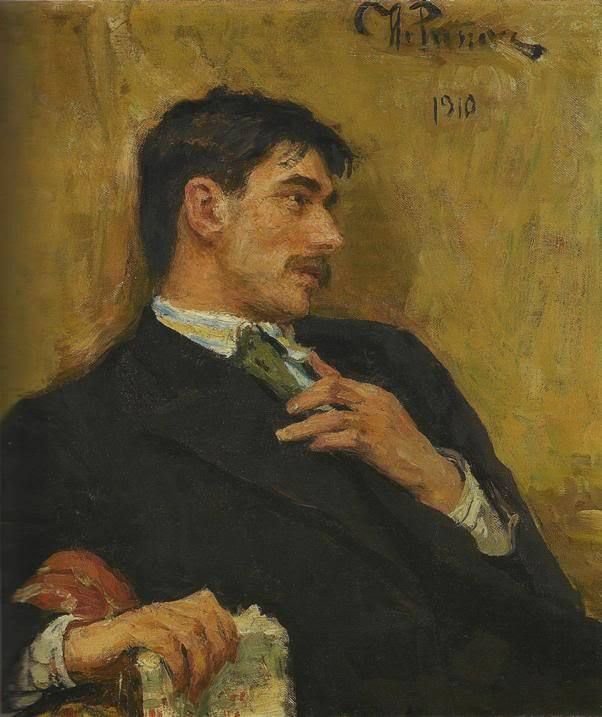 Assembling images of classical art, handwritten texts, and natural landscapes helps define a personal poet aesthetic.Creating a poet aesthetic moodboard involves gathering images and textures that evoke introspection and literary charm. Focus on sepia tones, muted colors, and imagery of old libraries, misty landscapes, and thoughtful portraits. Include elements like vintage postcards or pressed leaves. “Visualizing your aesthetic helps solidify its core themes,” states a design expert. Consider incorporating famous literary quotes or handwritten script. The goal is to build a visual narrative. This narrative should reflect a deep appreciation for the arts.
5. What Role Do Literary Quotes Play in The Poet Aesthetic?
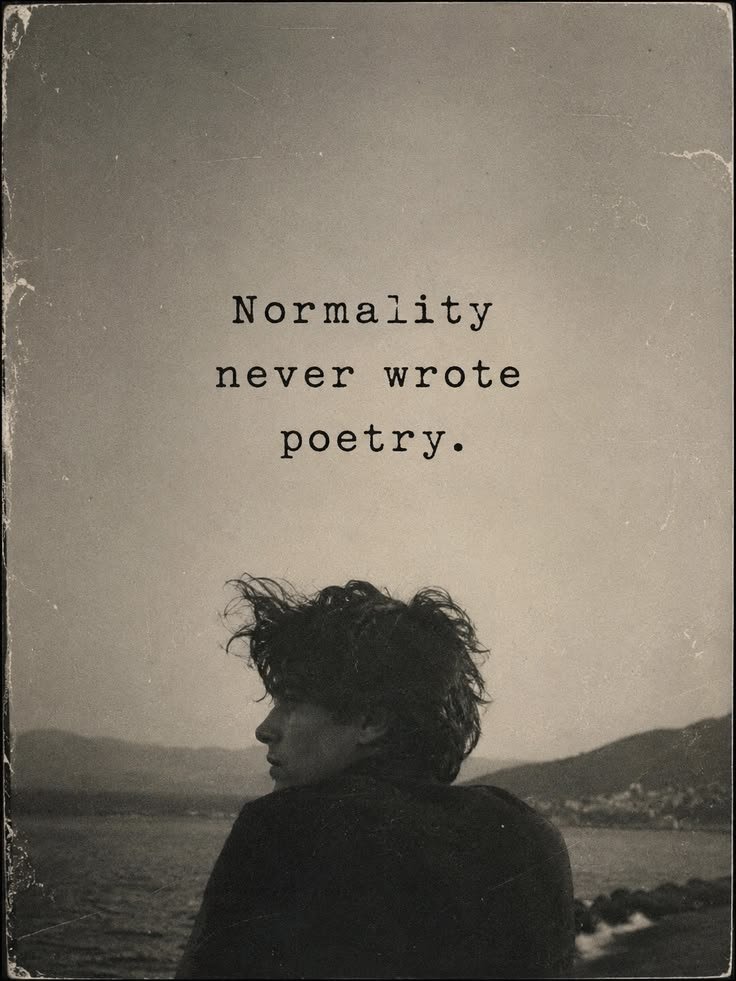
 Literary quotes are central to the poet aesthetic, often inspiring contemplation and personal reflection.Literary quotes are fundamental to The Poet Aesthetic, serving as sources of inspiration and reflection. These quotes often come from Romantic poets, classical authors, or philosophical texts. They articulate the deep emotions and intellectual curiosity central to the aesthetic. “Quotes offer direct access to the thoughts and feelings that define a cultural movement,” explains a literary critic. Integrating these quotes into daily life can take many forms. They might appear in personal journals or as decorative elements. This practice reinforces the literary foundation of the style.
6. How Does the Poet Aesthetic Connect with Nature and the Outdoors?
 Misty landscapes and quiet natural settings are integral to the poet aesthetic, fostering reflection and solitude.The Poet Aesthetic maintains a profound connection with nature, viewing natural landscapes as sources of inspiration and solace. Walks in the woods, contemplation by water, and appreciation for changing seasons are common activities. This bond reflects the Romantic era’s emphasis on nature as a spiritual force. Studies show spending time in nature reduces stress by 28%. The aesthetic often incorporates natural elements into home decor. Dried flowers, botanical prints, and earthy materials are popular choices. This brings the outdoors inside, similar to how one might approach outdoor halloween decor to create an immersive seasonal atmosphere.
7. What are the Key Characteristics of Poet Aesthetic Wallpaper and Digital Backgrounds?
 Subtle, often antique-inspired patterns and muted colors characterize wallpaper choices for the poet aesthetic, creating a serene backdrop.Poet Aesthetic wallpaper and digital backgrounds typically feature muted color palettes, classical art, and subtle textures. Think sepia tones, dark greens, deep blues, and aged creams. Imagery often includes vintage book pages, botanical illustrations, or atmospheric landscapes. This creates a tranquil and intellectually stimulating visual environment. According to digital artists, “a cohesive background enhances the immersive quality of any aesthetic.” These backgrounds are designed to evoke a sense of calm. They also suggest a connection to history and art. They avoid bright, distracting elements.
8. How Can Beginners Start Embracing The Poet Aesthetic?
 Starting with a journal and a classic pen offers an accessible entry point for beginners to explore the poet aesthetic.Beginners can embrace The Poet Aesthetic by starting with small, intentional changes. Begin by reading classic literature or exploring poetry. Incorporate vintage items into your wardrobe or home decor. Focus on creating a personal space that fosters reflection and creativity. “Small shifts in routine can lead to profound aesthetic adoption,” advises a lifestyle coach.
- Read classic poetry or novels
- Start a reflective journal
- Visit antique shops for unique pieces
- Listen to classical or folk music
- Spend time in natural settings
9. What is the Concept of a “Soldier Poet” within This Aesthetic?
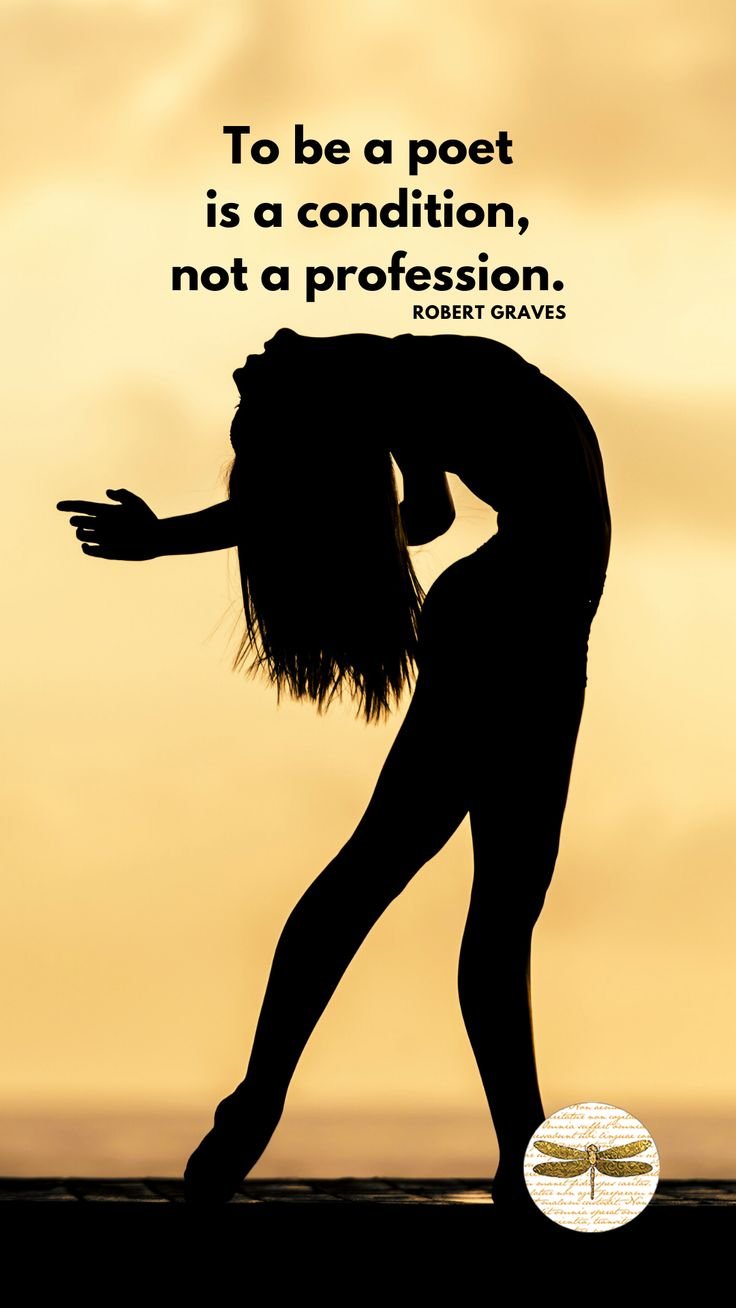 The ‘soldier poet’ archetype combines rugged determination with deep introspection, a unique facet of the poet aesthetic.The “soldier poet” concept within this aesthetic merges a robust, resilient spirit with a deep capacity for artistic expression and introspection. This archetype often draws from historical figures who balanced military duty with literary pursuits. It represents a blend of strength, discipline, and emotional depth. Historically, 15% of famous poets also served in military roles. This sub-aesthetic values courage and resilience alongside sensitivity. It suggests that profound experiences, even difficult ones, can fuel creativity. This offers a unique perspective.
10. How Do Poet Aesthetic Outfits Incorporate Layering and Texture?
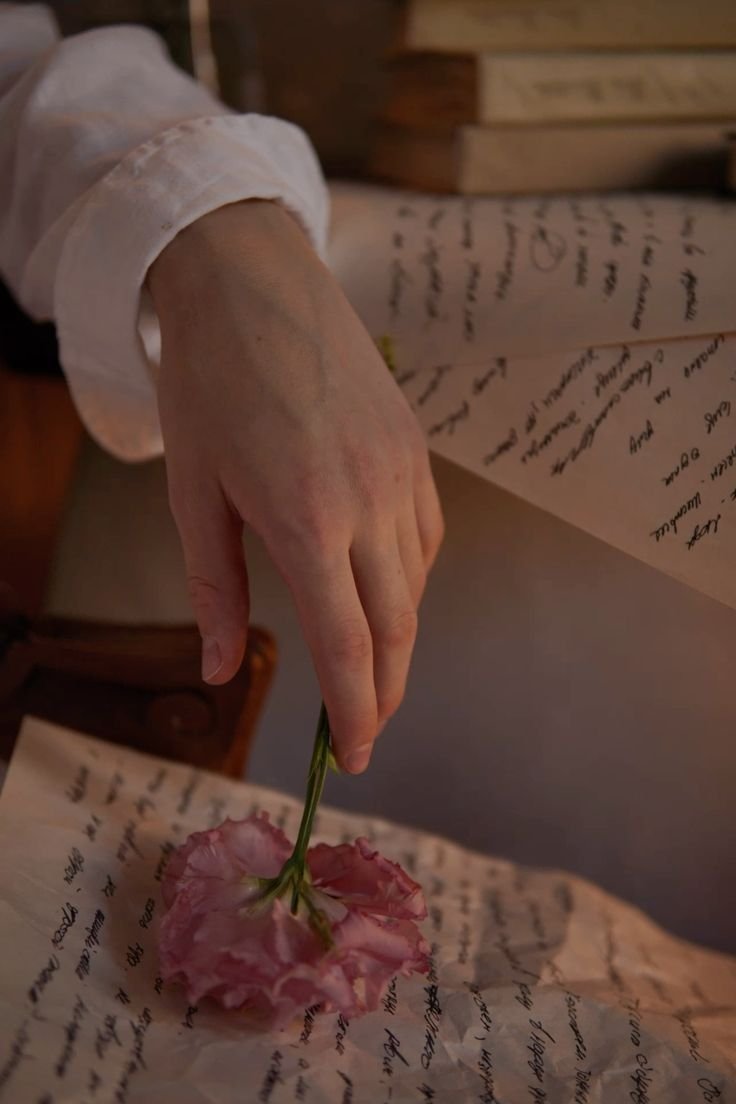 Layering different textures like tweed, linen, and wool is key to creating authentic poet aesthetic outfits for depth and comfort.Poet Aesthetic outfits frequently utilize layering and diverse textures to create visual interest and warmth. Fabrics like wool, tweed, corduroy, and soft cotton are often combined. This approach allows for adaptability in various climates and adds a sense of lived-in comfort. A fashion study revealed that layered looks are perceived as more sophisticated. This layering also provides an opportunity for personal expression. It allows for combining different historical influences. The focus remains on natural materials.
11. What are the Best Platforms for Finding Poet Aesthetic Inspiration?
 Pinterest offers a vast collection of visual inspiration for the poet aesthetic, from fashion to home decor ideas.Platforms like Pinterest, Instagram, and Tumblr are excellent resources for finding Poet Aesthetic inspiration. Users can explore dedicated moodboards, discover new artists, and share their own interpretations. Searching for terms like “poet aesthetic outfits” or “dark academia decor” yields abundant results. Data shows Pinterest hosts over 300 million boards related to various aesthetics. These platforms offer rich inspiration, much like discovering the latest nail trends for 2026. They also help in curating a personal vision for the aesthetic. Visual platforms are crucial for this trend.
12. How Has The Poet Aesthetic Evolved as a Modern Trend?
 The poet aesthetic continues to evolve, blending classic literary inspirations with contemporary expressions in daily life.The Poet Aesthetic has evolved into a significant modern trend, adapting its core values to contemporary life. While rooted in historical romanticism, it now incorporates digital art and sustainable fashion practices. This evolution shows its adaptability and enduring appeal. Modern adaptations often emphasize ethical consumption. A recent report indicated a 20% increase in searches for “sustainable aesthetics.” This constant evolution shows its adaptability and enduring appeal, much like how seasonal aesthetic essentials adapt year to year. It encourages a thoughtful engagement with the world. This makes it relevant today.
Key Takeaways
- The Poet Aesthetic emphasizes introspection, literature, and romanticism in daily life.
- It influences personal style through natural fabrics, muted tones, and vintage-inspired clothing.
- Decor and art within this aesthetic feature literary motifs and natural elements for a contemplative atmosphere.
- Embracing The Poet Aesthetic involves a thoughtful approach to creativity and personal expression.
- Digital platforms provide rich resources for exploring and curating this unique style.
Frequently Asked Questions About The Poet Aesthetic
What is the primary inspiration behind The Poet Aesthetic?
The primary inspiration for The Poet Aesthetic comes from historical literary movements, particularly Romanticism. It draws heavily from the works of poets and writers who celebrated nature, emotion, and individualism. This foundation fosters a deep appreciation for intellectual and artistic pursuits.
Are there specific colors associated with the poet aesthetic?
Yes, the poet aesthetic often features a palette of muted, earthy tones. These include deep greens, browns, creams, grays, and sepia. Dark jewel tones like burgundy and navy are also common. These colors evoke a sense of calm, history, and natural beauty.
How does the poet aesthetic differ from Dark Academia?
While sharing some common ground, The Poet Aesthetic is broader than Dark Academia. Dark Academia focuses specifically on classical learning, universities, and sometimes a darker, gothic mood. The Poet Aesthetic encompasses a wider romanticism, including nature, emotional depth, and a less rigid intellectualism, often with a softer, dreamier feel.
Can The Poet Aesthetic be applied to modern living spaces?
Absolutely. The Poet Aesthetic can be seamlessly integrated into modern living spaces. This involves incorporating vintage furniture, displaying classic books, using natural textures, and adding elements like dried flowers or antique maps. The key is to create an atmosphere that encourages contemplation and creativity, regardless of the architectural style.
What kind of music aligns with The Poet Aesthetic?
Music aligning with The Poet Aesthetic often includes classical compositions, particularly those from the Romantic era, folk music with narrative lyrics, and instrumental pieces. Ambient sounds of nature or lo-fi beats can also complement the contemplative mood. The focus is on music that inspires reflection and evokes emotion.