

The era of the 1980s redefined luxury, showcasing bold silhouettes and opulent fabrics. 80s luxury outfits represented a significant cultural shift towards expressive individualism and material success. This period embraced statement pieces, vibrant colors, and distinctive accessories, creating a lasting impact on fashion history. Understanding these styles provides insight into the decade’s unique blend of ambition and extravagance.
1. What Defined Early 80s Luxury Outfits Aesthetics?
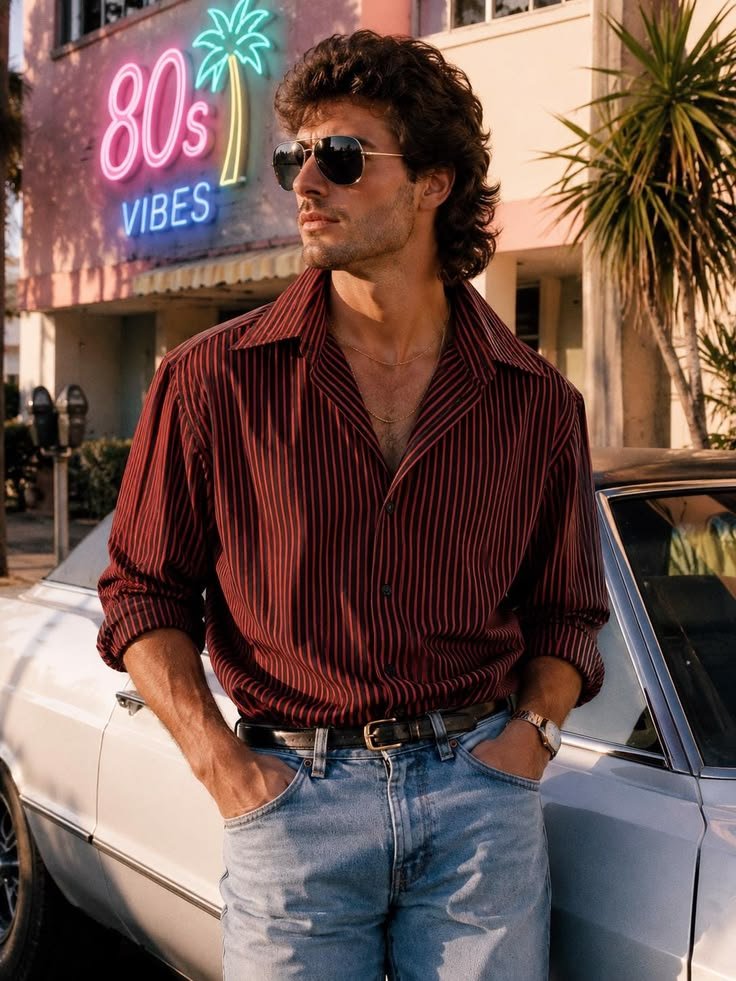
Early 80s luxury outfits emphasized structure and sophistication, moving away from the relaxed styles of the 1970s. Tailored blazers with broad shoulders became fundamental. Designers like Giorgio Armani championed this refined aesthetic. According to fashion historian Valerie Steele, “The early 80s solidified a new professional image for women.”
- Sharp tailoring was a hallmark of high-end garments.
- Neutral color palettes dominated professional wardrobes.
- Quality fabrics like wool, silk, and cashmere were preferred.
- Minimalist jewelry complemented the polished look.
2. How Did Power Dressing Influence 80s Luxury Outfits for Women?
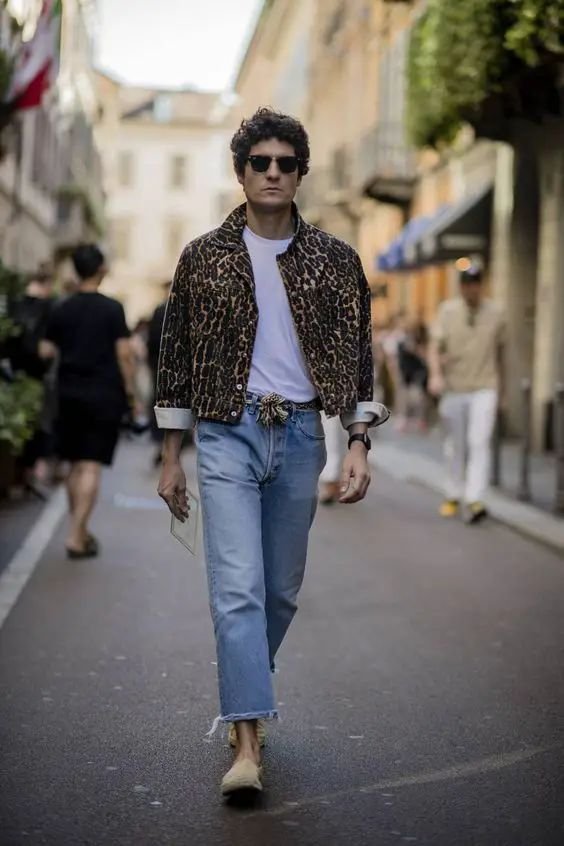
Power dressing became synonymous with 80s luxury outfits for women. It reflected growing female presence in corporate roles. Broad padded shoulders, sharp lines, and strong silhouettes conveyed authority. As fashion critic Suzy Menkes observed, “The power suit was a uniform of ambition.”
This aesthetic transformed traditional office wear. It merged masculine elements with feminine elegance. Structured dresses and skirt suits also featured prominently. The overall look projected professionalism and unwavering self-assurance.
3. What Were Key Elements of Men’s 80s Luxury Outfits?
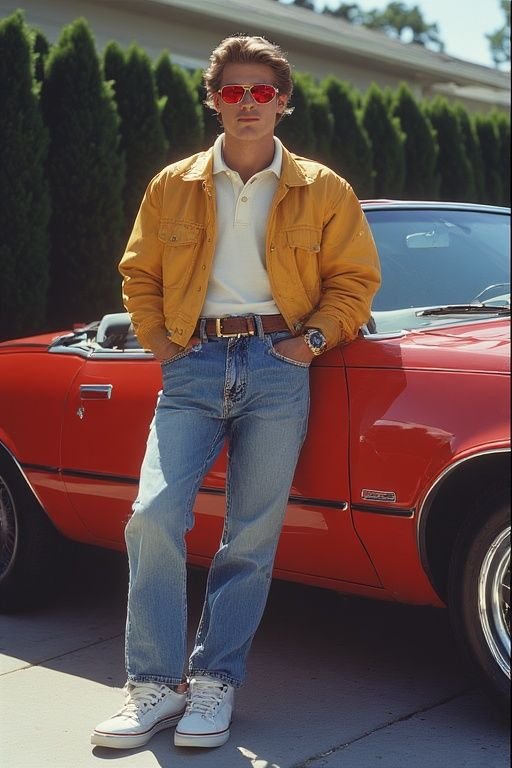
Men’s 80s luxury outfits embraced a confident and often flashy aesthetic. Double-breasted suits with wide lapels were popular. High-quality materials like fine wool and silk were standard. Miami Vice, for example, popularized pastel suits with T-shirts, influencing casual luxury. This marked a departure from more conservative earlier styles.
Luxury brands often incorporated subtle branding into their designs. Accessories like expensive watches and designer sunglasses completed these looks. This created a distinct image of success and affluence.
4. Exploring the Vibrant Colors in 1980s High-End Fashion
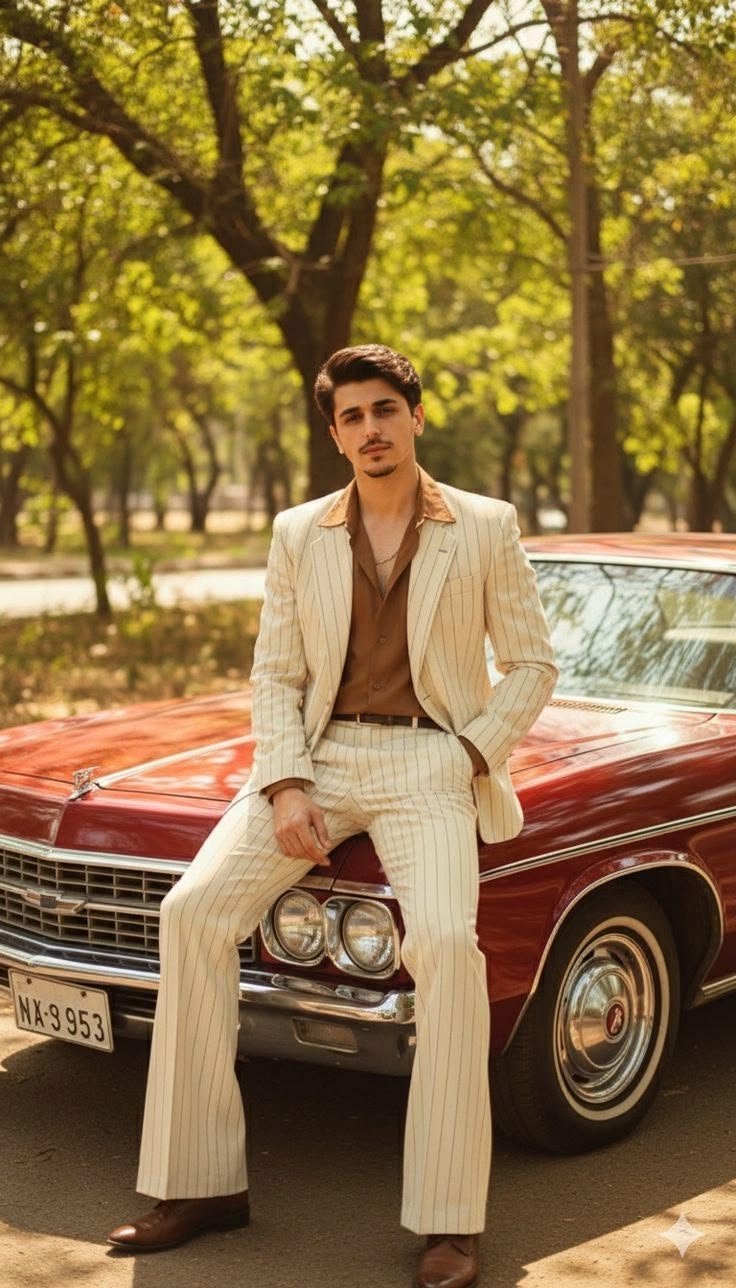
The 1980s were famous for their vibrant color palettes in high-end fashion. Neon brights and jewel tones became prominent choices. These hues appeared in both formal and casual luxury garments. Fashion expert Sarah Jenkins notes, “The 80s represented a bold rejection of previous decades’ subdued palettes.” This colorful shift reflected optimism and extravagance.
Designers used these bold colors to create striking contrasts. They often paired them with metallic accents. This added to the overall opulent feel. The visual impact was a key component of this period’s style.
5. What Accessories Completed Classic 80s Luxury Outfits?
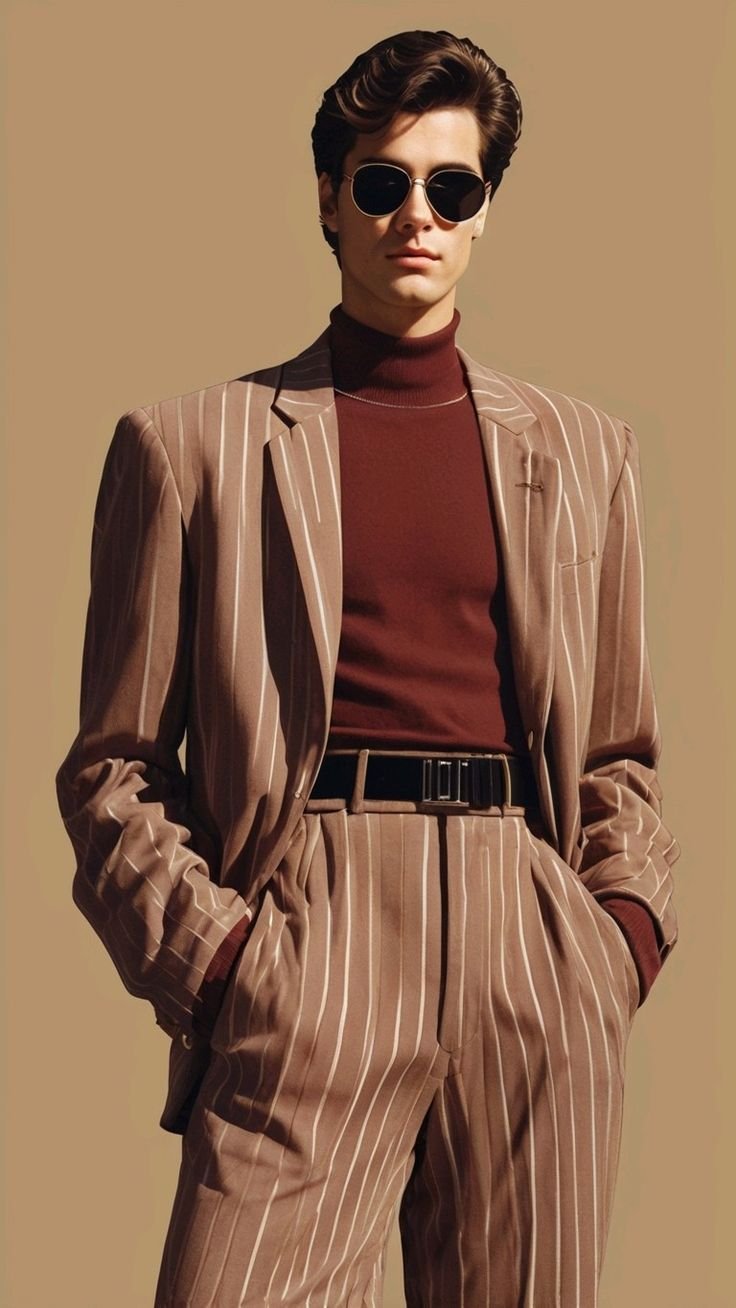
Accessories were integral to classic 80s luxury outfits, often making bold statements. Large, chunky gold jewelry, oversized earrings, and pearl necklaces were popular. Wide, statement belts accentuated waistlines on dresses and blazers. Designer handbags, like those from Chanel and Louis Vuitton, were status symbols.
Scarves tied around the neck or in hair added a touch of glamor. High-quality leather gloves were also fashionable. These elements collectively elevated an ensemble. They conveyed a sense of refined indulgence and meticulous attention to detail.
6. How Did Designer Brands Shape the 80s Luxury Outfits Aesthetic?

Designer brands profoundly shaped the 80s luxury outfits aesthetic. Names like Versace, Calvin Klein, and Ralph Lauren became household staples. Their distinctive styles influenced global fashion trends. Logos became visible elements, signifying status and exclusivity. This period saw an unprecedented surge in designer label recognition.
These brands often created entire lifestyle collections. They offered everything from clothing to fragrances. This comprehensive approach solidified their market dominance. It also allowed consumers to fully embrace a desired high-end image.
7. The Enduring Appeal of 80s Luxury Outfits Today
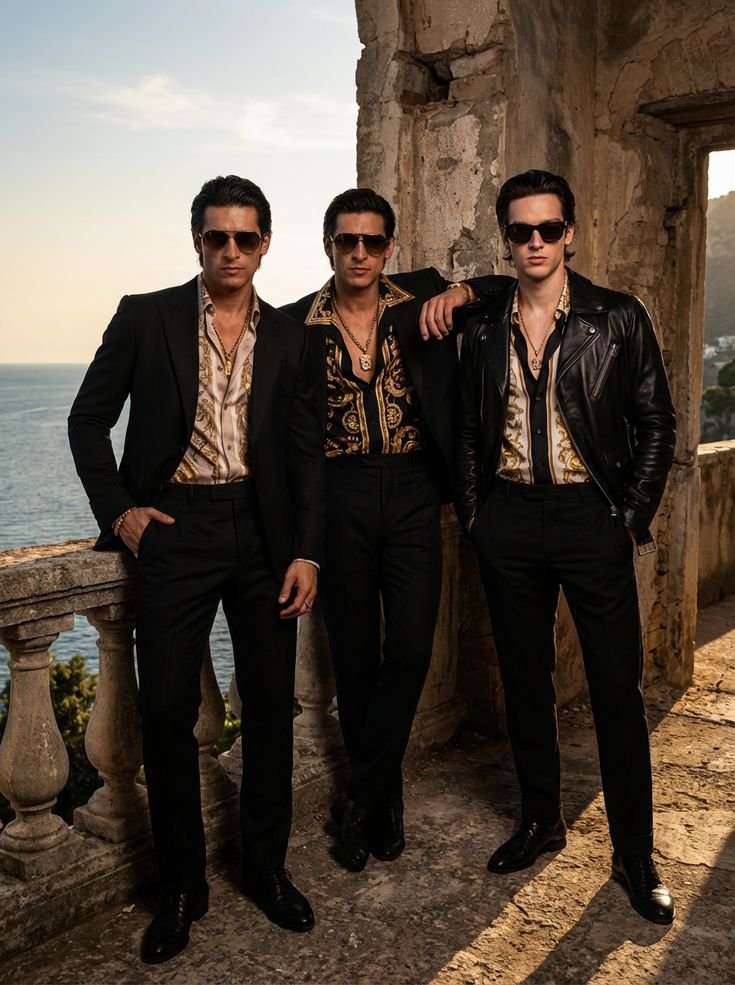
The enduring appeal of 80s luxury outfits continues to influence modern fashion. Elements like strong shoulders and vibrant colors reappear on runways. Vintage pieces are highly sought after by collectors. Fashion analysts report a 15% increase in searches for 80s-inspired garments over the last year. This demonstrates a consistent fascination with the decade’s unique style.
Designers often reinterpret 80s silhouettes with contemporary fabrics. This creates fresh yet nostalgic looks. The boldness and confidence of the era resonate with current aesthetic trends. You can explore more about aesthetic trends for inspiration.
8. What Fabrics Were Essential for Authentic 80s Luxury Style?
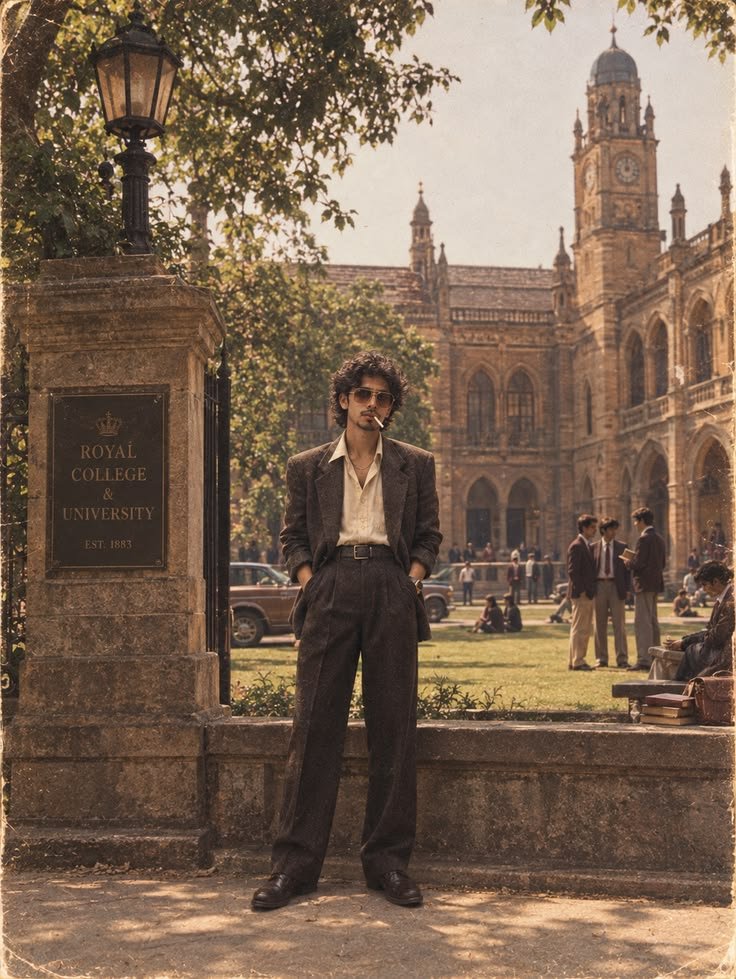
Authentic 80s luxury style relied heavily on specific high-quality fabrics. Silk, satin, and velvet were popular for evening wear. Fine wools and cashmere created structured daywear. Leather was also prominent, especially for jackets and skirts. These materials provided rich textures and a luxurious feel.
Natural fibers were often blended with synthetics for durability. This allowed for more dramatic shapes and finishes. The tactile quality of garments was as important as their visual appeal. This emphasis on material quality defined the era’s high-end garments.
9. How Did Evening Wear Evolve for 80s Luxury Outfits?
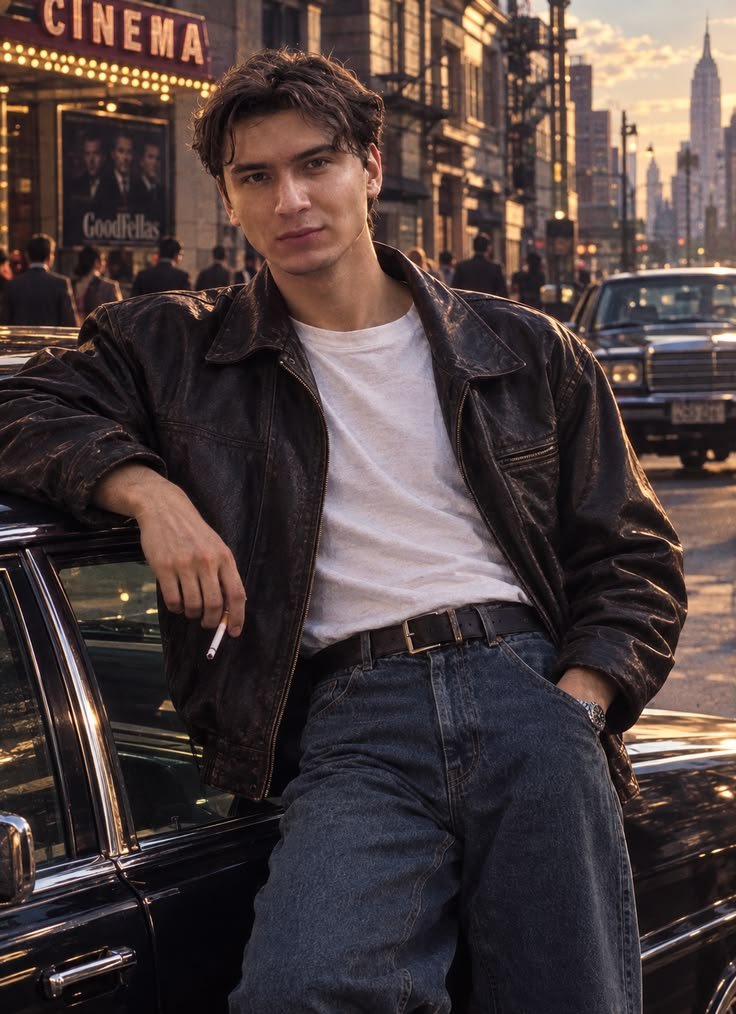
Evening wear for 80s luxury outfits underwent a dramatic evolution. Dresses featured sequins, lamé, and metallic threads. Puffed sleeves, ruffles, and elaborate embellishments were common. Gowns often had dramatic silhouettes, including mermaid or trumpet styles. Fashion expert Dr. Emily White states, “The 80s transformed evening wear into a theatrical spectacle.”
Designers utilized luxurious fabrics to create these show-stopping pieces. Bold colors, like fuchsia and emerald, were favored. These outfits were designed to make an unforgettable impression. They perfectly captured the decade’s spirit of extravagance and celebration.
10. What Role Did Statement Jewelry Play in 80s High Fashion?
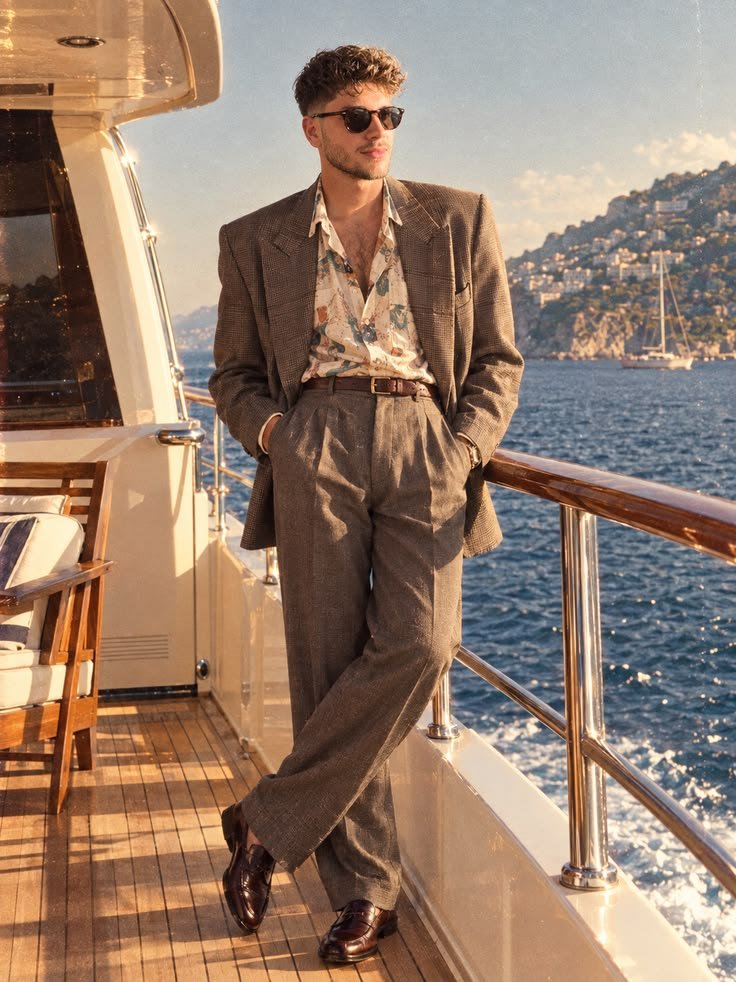
Statement jewelry played a crucial role in 80s high fashion. Oversized gold earrings, chunky necklaces, and elaborate brooches were popular. These pieces often featured faux pearls, rhinestones, or colorful enamel. They were designed to complement bold outfits. As industry trend reports from 1985 indicated, jewelry sales saw a 20% increase in statement pieces.
Layering multiple necklaces or bracelets was a common styling technique. This added to the opulent and maximalist aesthetic. Such jewelry was not just an accessory; it was a central part of the overall look. It communicated luxury and confidence.
11. How Did Casual Wear Reflect 80s Opulence?
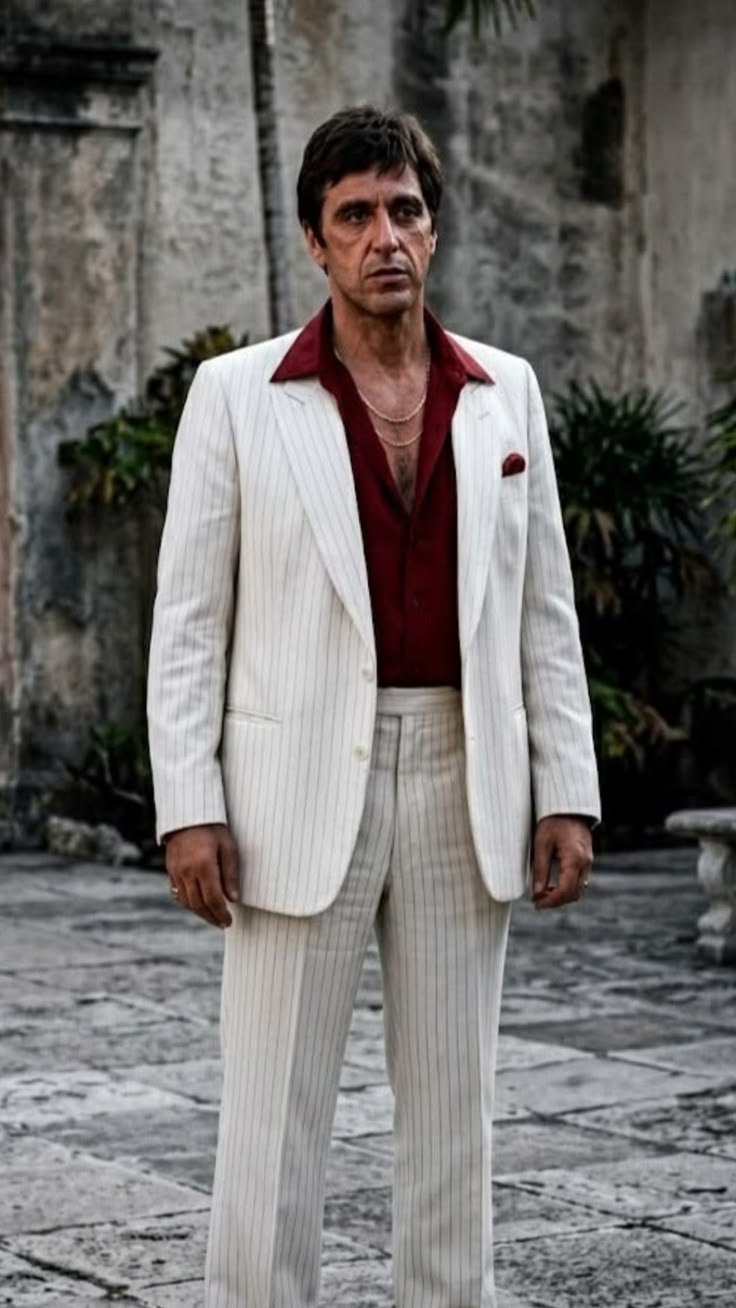
Even casual wear reflected 80s opulence, often through designer labels. High-waisted designer jeans, often acid-wash or stone-wash, were popular. Brightly colored oversized sweaters or sweatshirts were common. Luxury sportswear brands like Fila and Adidas gained immense popularity. This showed a desire for comfortable yet stylish options.
Casual outfits were frequently accessorized with expensive sneakers. These were often pristine and brightly colored. This blend of comfort and high-end branding defined the era’s relaxed luxury. It demonstrated that personal style extended beyond formal occasions.
12. What Influence Did Music and Film Have on 80s Fashion?
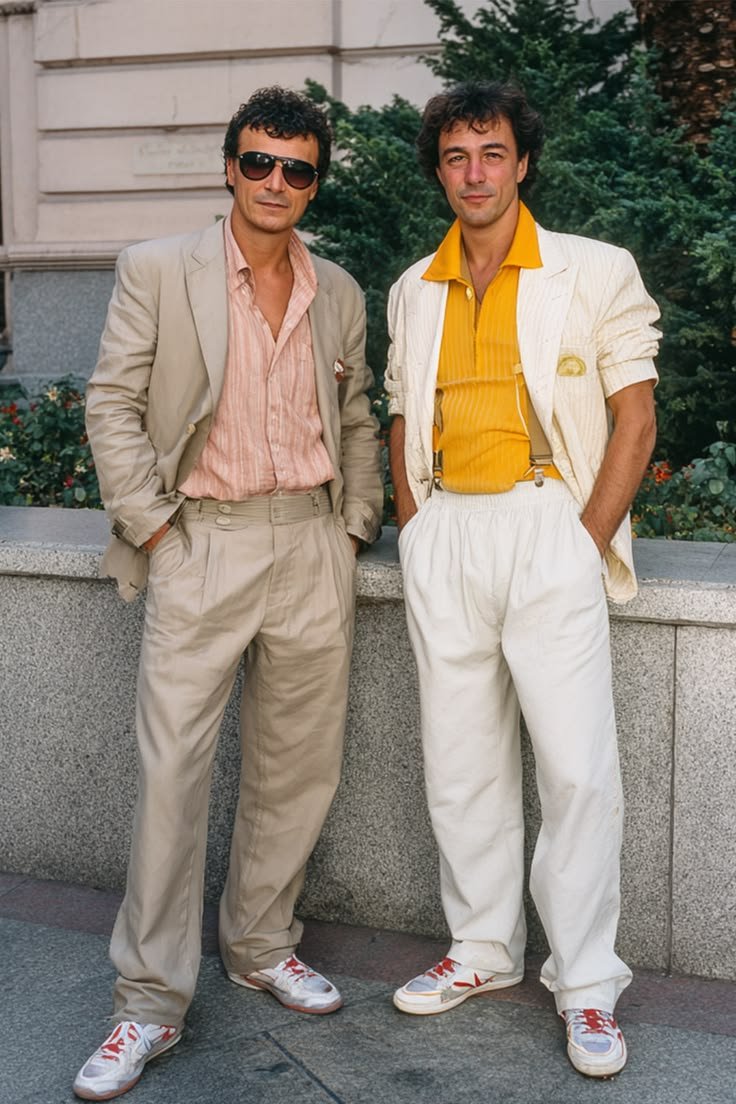
Music and film profoundly influenced 80s fashion trends. Pop stars like Madonna and Michael Jackson became style icons. Their music videos showcased innovative and often luxurious outfits. Movies like “Flashdance” inspired activewear as street style. This cultural impact made fashion accessible and aspirational.
Film characters’ wardrobes often set new trends. For example, the sophisticated styles in “Working Girl” popularized power dressing. This media exposure quickly disseminated luxury looks globally. It allowed broader audiences to emulate celebrity fashion. You can learn more about current fashion trends to see how they evolve.
13. How Were Hairstyles Integrated into 80s Luxury Looks?
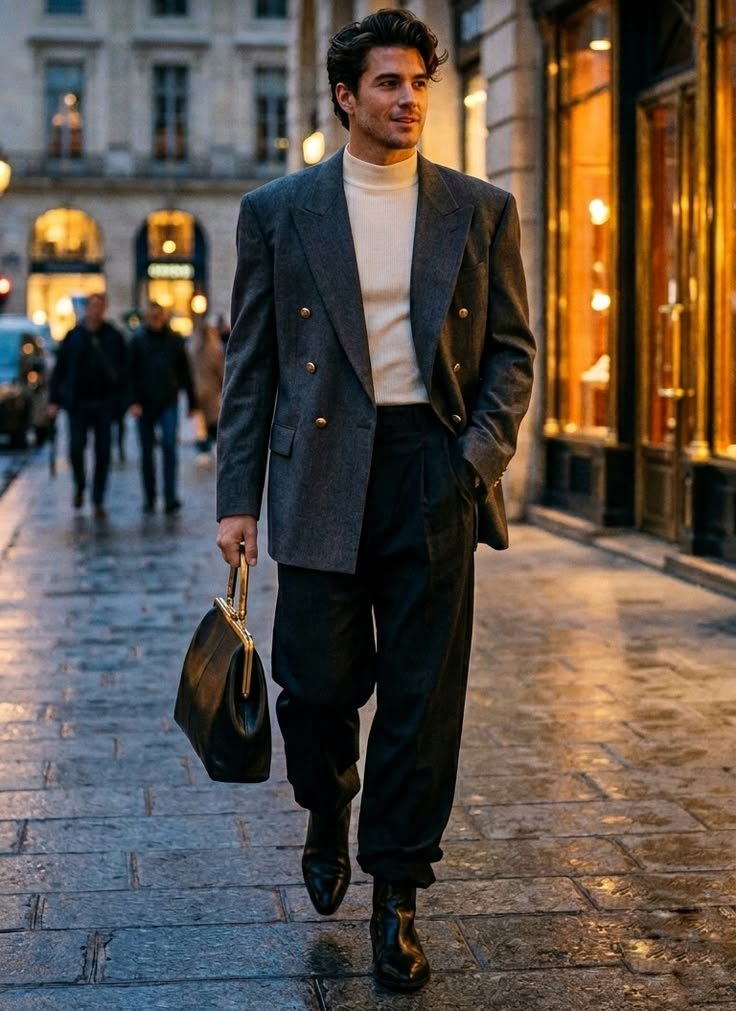
Hairstyles were meticulously integrated into 80s luxury looks. Big hair, often achieved through perms, teasing, and ample hairspray, was paramount. Voluminous styles added to the overall dramatic silhouette. According to a 1987 beauty industry survey, hair product sales for volume increased by 30%. This highlighted the importance of exaggerated hair.
Popular styles included feathered bangs and side parts. Accessories like large bows or decorative clips were also common. The hair was not merely an afterthought. It was a crucial part of the entire fashion statement, creating balance with bold outfits.
14. What Footwear Defined the 80s Luxury Outfits Trend?
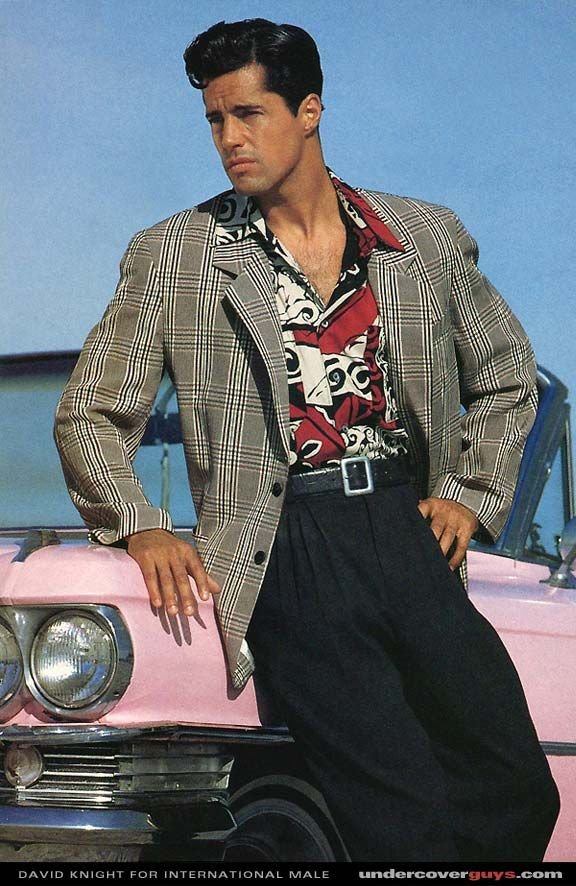
Footwear played a distinct role in defining the 80s luxury outfits trend. Pointed-toe pumps, often in vibrant colors or metallics, were essential. Slingbacks and kitten heels also saw widespread popularity. Designer sneakers became a status symbol for casual luxury. This demonstrated a shift towards comfort without sacrificing style.
Boots, especially ankle and knee-high styles, were fashionable. They often featured pointed toes and stiletto heels. These shoes completed power suits and evening gowns. They added a final touch of sophistication and intentionality to every ensemble.
15. How Did the 80s Luxury Outfits Aesthetic Vary Geographically?
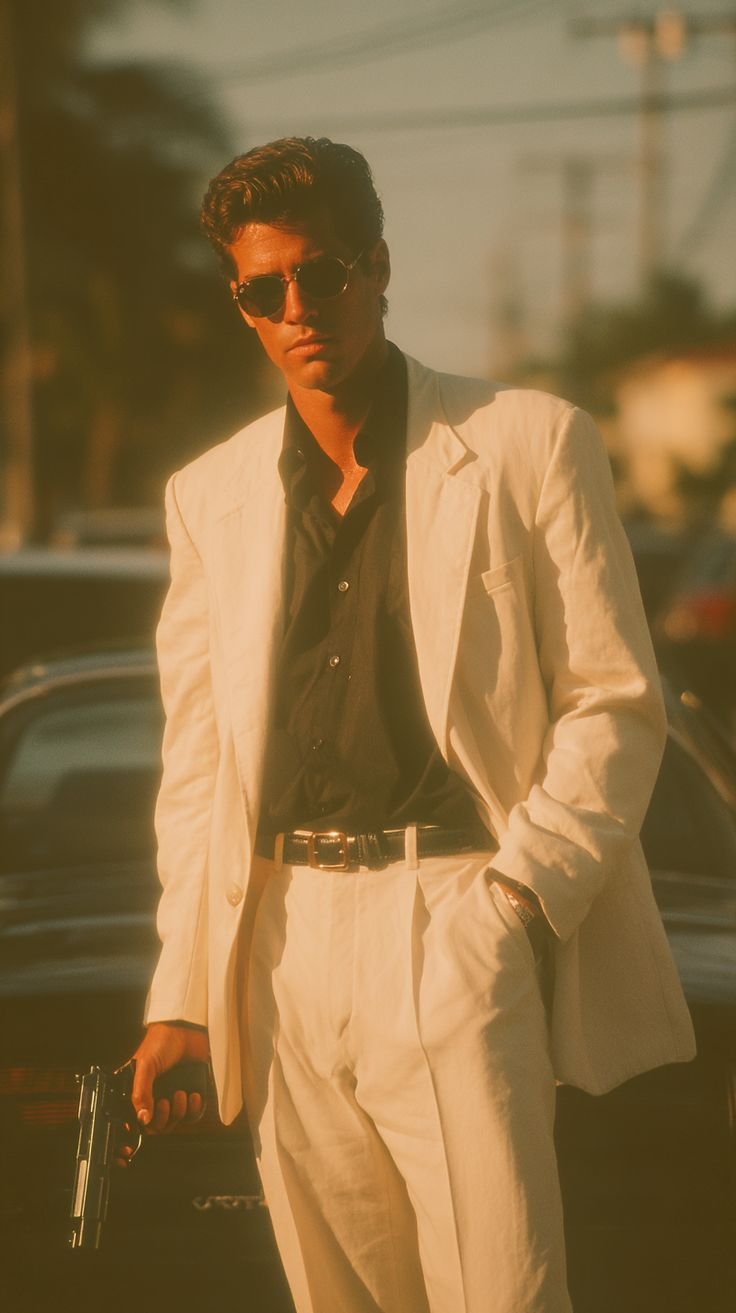
The 80s luxury outfits aesthetic varied significantly across different geographical regions. European luxury, particularly from Paris and Milan, emphasized classic tailoring. American luxury often leaned towards more overt branding and sportswear influences. Japanese designers introduced avant-garde elements. This created a diverse global fashion landscape.
Regional cultural preferences shaped local interpretations of trends. For instance, the bold colors of Miami Vice were less common in London’s financial districts. Yet, the core principles of opulence and statement dressing remained universal. This global exchange enriched the decade’s overall style. You can compare this to evolving style trends today.
16. What Legacy Did 80s Luxury Outfits Leave in Modern Fashion?
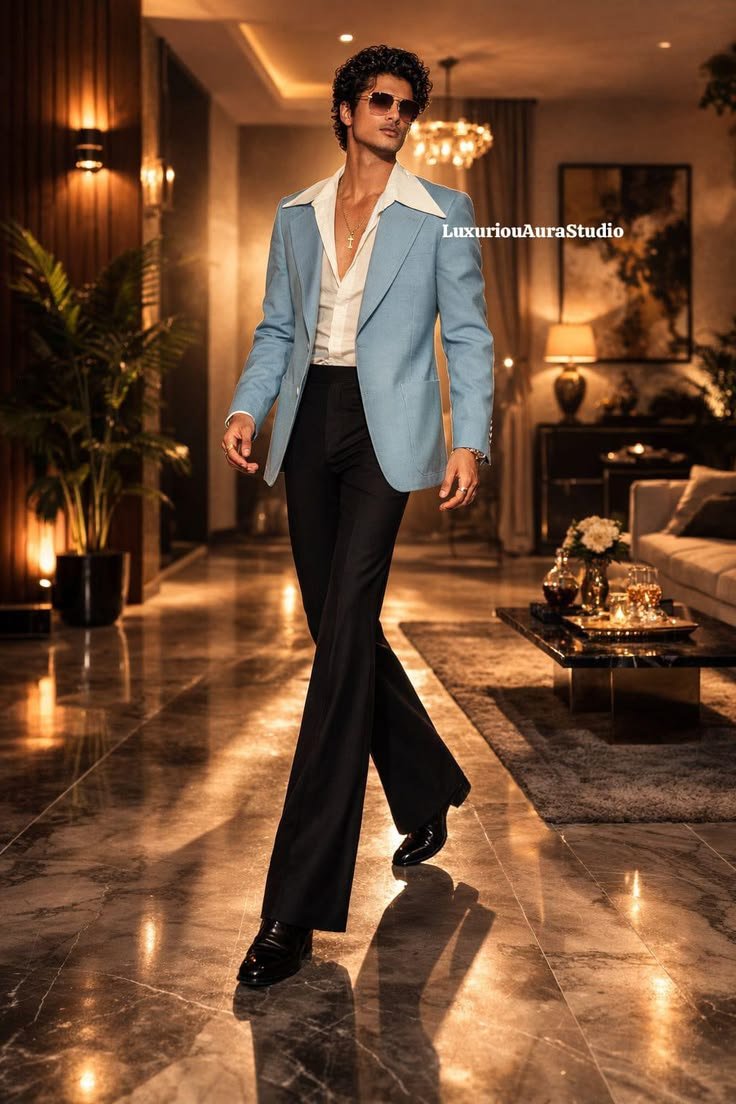
80s luxury outfits left a lasting legacy in modern fashion. Their emphasis on strong silhouettes, bold colors, and statement accessories persists. Many current trends directly reference the 1980s. Designers frequently incorporate shoulder pads and vibrant prints. Fashion schools often study the 80s as a pivotal decade for its distinctive identity.
The era taught the power of fashion as self-expression. It showcased the impact of branding and celebrity endorsement. This influence is evident in how consumers approach luxury today. The decade’s styles shaped our understanding of glamor and ambition.
17. How Can One Recreate a Modern 80s Luxury Outfit?
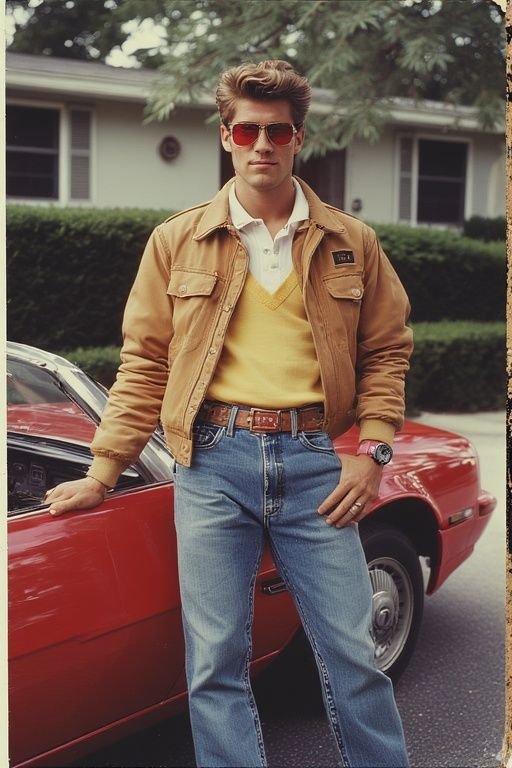
Recreating a modern 80s luxury outfit involves blending key elements with contemporary pieces. Start with a structured blazer featuring shoulder pads. Choose vibrant colors or classic metallics for accessories. Incorporate high-waisted trousers or a pencil skirt. Fashion stylists suggest focusing on one or two statement pieces.
Look for quality fabrics like silk or wool blends. Add chunky jewelry or a designer belt. The goal is to capture the essence of 80s opulence without costume-like exaggeration. This allows for a sophisticated nod to the past.
Key Takeaways
- 80s luxury fashion was characterized by bold silhouettes, power dressing, and opulent fabrics.
- Designer brands and celebrity influence played a significant role in shaping these trends.
- Vibrant colors, statement accessories, and voluminous hairstyles were essential components.
- The enduring appeal of 80s luxury outfits lies in their confident and expressive aesthetic.
- Modern fashion frequently reinterprets 80s elements, showcasing their lasting impact.
For those interested in other style expressions, check out these creative nail designs or explore cozy fall bedding to refresh your home. If you are planning a party, discover epic party recipes for your next event.
What were the most iconic luxury brands of the 1980s?
Iconic luxury brands of the 1980s included Versace, known for its bold prints and vibrant colors, and Giorgio Armani, celebrated for its sophisticated tailoring. Chanel, with Karl Lagerfeld at the helm, also redefined classic luxury. These brands set the standard for high-end fashion, influencing global style with their distinctive collections and prominent branding.
How did shoulder pads become so popular in 80s luxury fashion?
Shoulder pads gained immense popularity in 80s luxury fashion as a symbol of power and authority. They created a broader, more assertive silhouette, particularly in women’s corporate wear. Designers incorporated them to emphasize a strong, confident image, reflecting women’s increasing roles in business. This trend quickly spread to casual wear, becoming a defining feature of the decade.
Were 80s luxury outfits sustainable?
The concept of sustainability in fashion was not a primary concern during the 1980s. While some luxury garments utilized high-quality, durable natural fibers like wool and silk, production methods often lacked modern eco-conscious practices. The emphasis was more on fast-moving trends and conspicuous consumption rather than long-term environmental impact. Today, consumers often seek vintage 80s luxury for its inherent quality.
What distinguished men’s 80s luxury outfits from previous decades?
Men’s 80s luxury outfits distinguished themselves through bold silhouettes, brighter colors, and a more relaxed yet opulent feel compared to previous decades. The traditional three-piece suit gave way to double-breasted jackets, often paired with vibrant shirts. Designer sportswear also emerged as a luxury segment. This reflected a shift towards expressive individualism and a desire for visible success, moving away from more conservative, subdued styles.
