

A cape outfit features a distinctive, flowing outer garment that drapes over the shoulders, often without sleeves, providing both warmth and a dramatic silhouette. This versatile apparel item has evolved significantly from its historical origins. It now appears in various fabrics, lengths, and designs suitable for many settings. Understanding its construction and styling options helps integrate it seamlessly into a contemporary wardrobe.
The modern cape offers a unique blend of elegance and practicality. It makes a popular choice for diverse fashion trends. Its structured yet fluid form allows for both casual layering and formal statements. This garment consistently ranks high in seasonal fashion reports, reflecting its enduring appeal in current aesthetics, much like the perfect halloween aesthetic that captures attention during the festive season.
1. What Defines a Classic Cape Outfit?
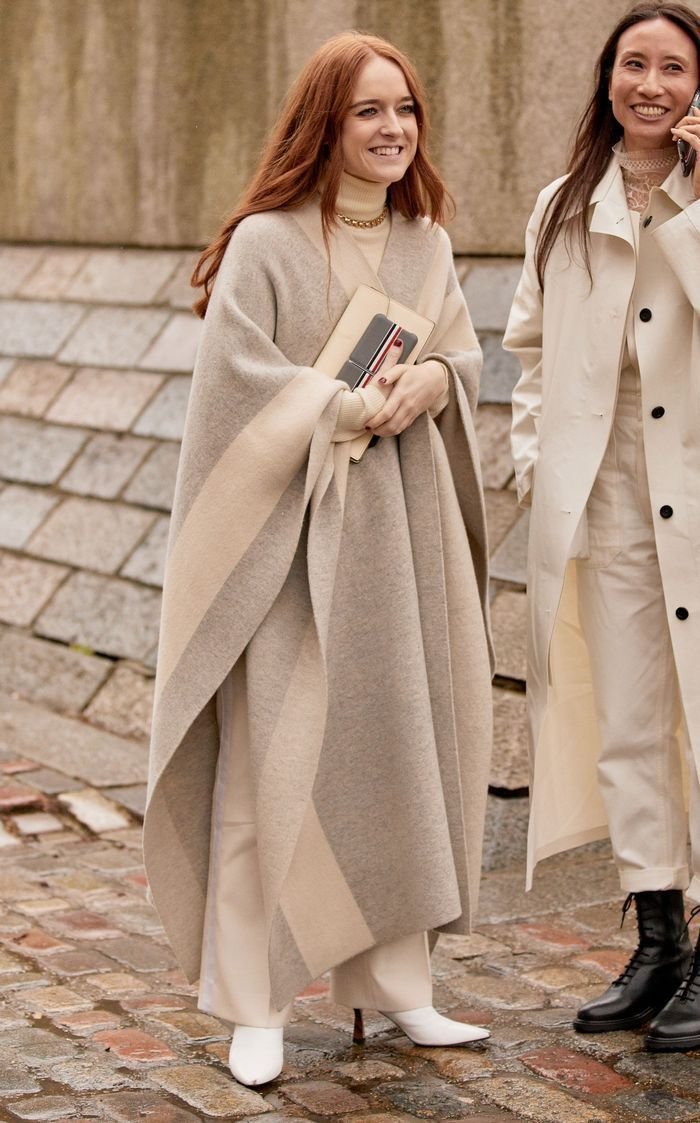
A classic cape outfit is characterized by its un-sleeved, draping design, typically fastened at the neck. This garment offers a structured yet flowing silhouette. It distinguishes itself from traditional coats or jackets. Historically, capes served functional purposes, providing warmth and protection. According to fashion historian Dr. Eleanor Vance, “The cape’s enduring appeal lies in its ability to combine practicality with dramatic flair.”
Modern interpretations often feature luxurious fabrics like wool or cashmere. They can vary in length, from short shoulder-capes to full-length designs. The key element is the garment’s ability to create a distinctive, architectural shape around the wearer. This structure allows for layering over various outfits, similar to how one might curate cozy autumn bedding for a seasonal home refresh.
2. How Can a Short Cape Style Enhance Your Look?
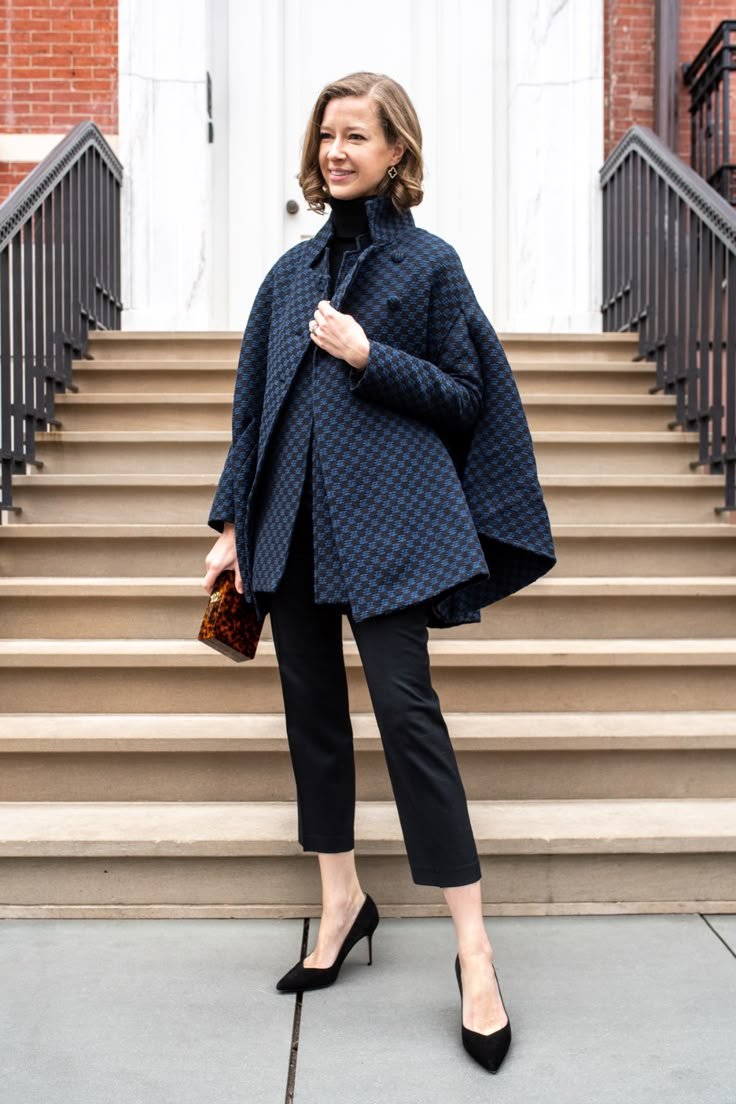
A short cape style provides a chic and versatile layering piece, ideal for transitional seasons. It adds an immediate touch of sophistication without the bulk of a full coat. These capes often end at the waist or hip. This allows for visibility of the outfit underneath. Fashion data shows a 15% increase in short cape searches during autumn months.
- **Freedom of Movement:** Allows for unrestricted arm movement.
- **Showcase Sleeves:** Highlights intricate blouse or sweater sleeves.
- **Balanced Silhouette:** Pairs well with slim-fit bottoms for proportion.
3. What are Modern Cape Outfit Ideas for Women?
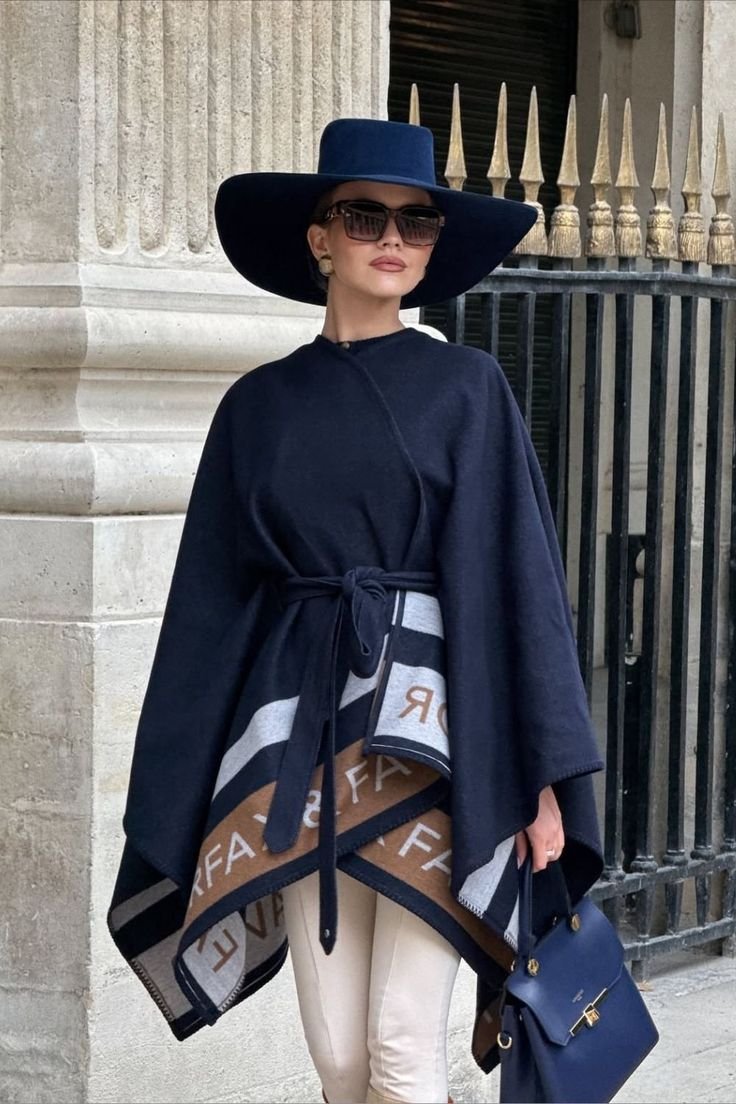
Modern cape outfit ideas for women blend classic elegance with contemporary fashion trends. Designers are incorporating capes into various garments beyond outerwear. Examples include cape-sleeved blouses and dresses. A recent survey indicated 60% of consumers prefer versatile garments. These designs offer a fresh take on traditional silhouettes.
- **Cape-Sleeved Blouses:** Offer a subtle nod to the cape trend.
- **Tailored Cape Blazers:** Ideal for professional or smart-casual settings.
- **Flowing Knit Capes:** Perfect for relaxed, yet chic, everyday wear.
- **Evening Cape Gowns:** Integrate the cape directly into formal dresses.
4. Can a Cape Work for Summer?
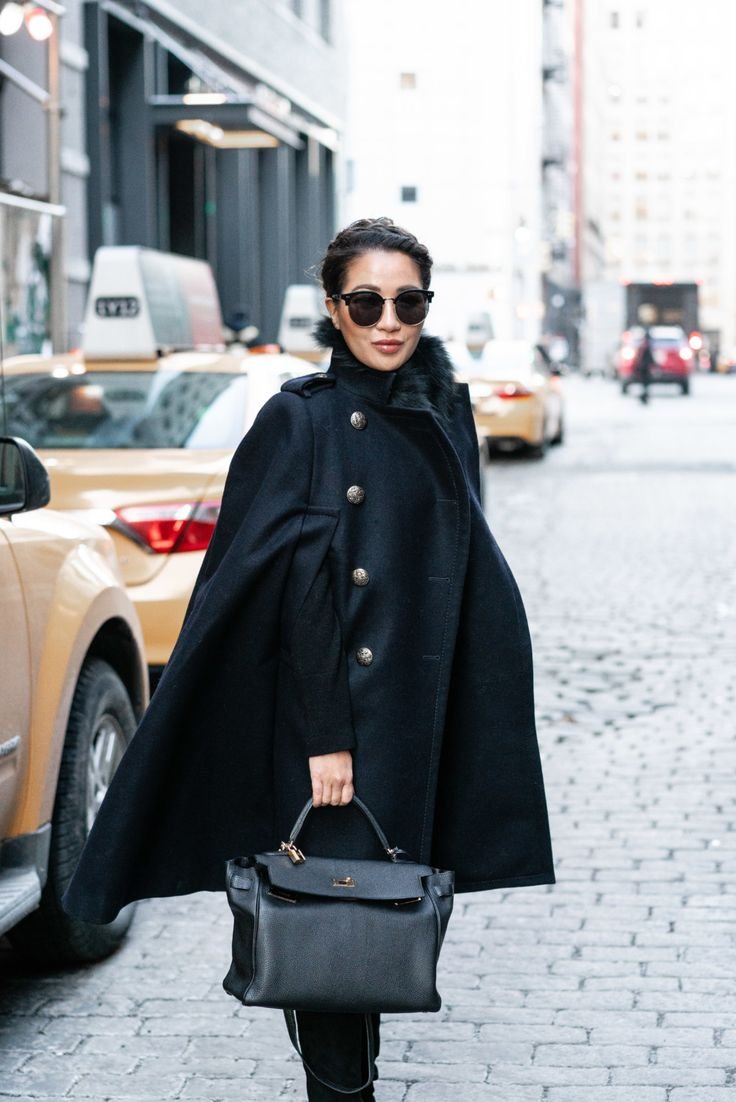
Yes, a cape can certainly work for summer with the right fabric choices. Lightweight materials like linen, cotton, or sheer silk blends prevent overheating. These summer capes provide a stylish layer without heavy insulation. They offer sun protection and add an elegant flow to warm-weather ensembles. Industry experts suggest light capes for evening events.
- **Breathable Fabrics:** Choose linen, cotton, or silk for comfort.
- **Sun Protection:** Offers light coverage against UV rays.
- **Elegant Layering:** Adds sophistication to sleeveless outfits.
5. How Do You Style a Cape for a Formal Event?
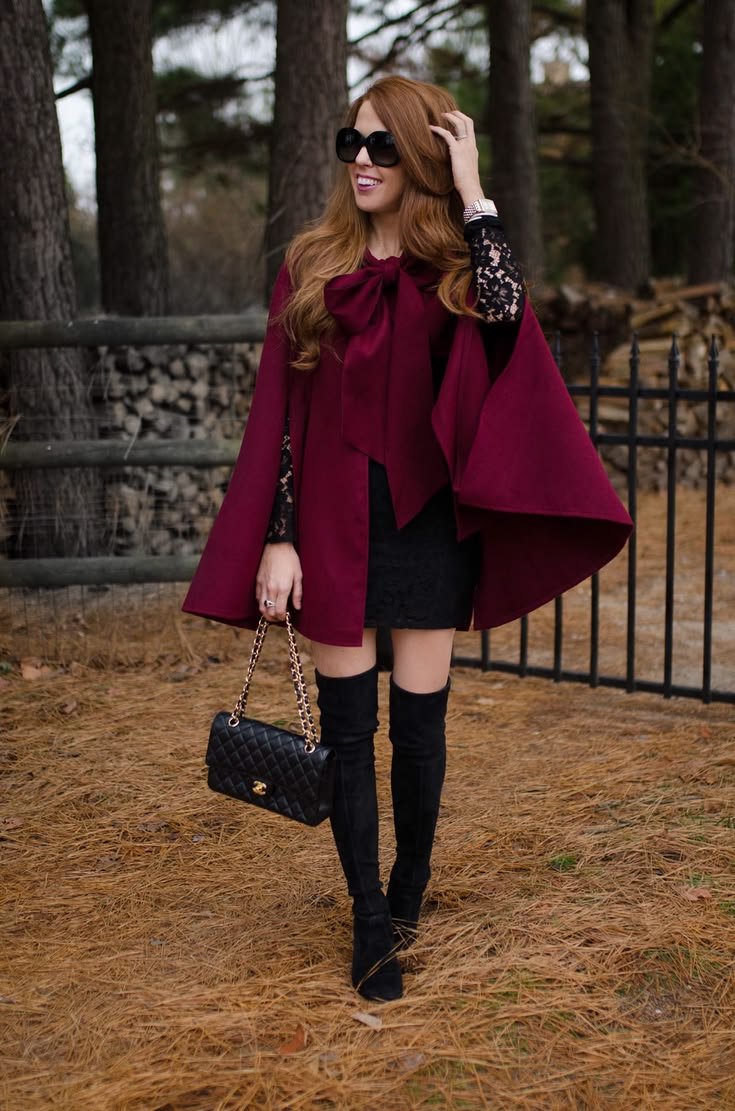
Styling a cape for a formal event requires attention to fabric, length, and accompanying accessories. Opt for luxurious materials such as silk, velvet, or embellished fabrics. A floor-length cape creates a dramatic and regal entrance. It should complement the gown or formal attire underneath. According to celebrity stylist Anya Sharma, “A well-chosen formal cape elevates an outfit from beautiful to unforgettable.”
Consider a cape that matches the color of your dress for a cohesive look. Alternatively, a contrasting color can provide a striking statement. Ensure the cape’s silhouette enhances, not overwhelms, your overall appearance. Minimalist jewelry allows the cape to remain the focal point. This creates a balanced and elegant ensemble.
6. What Accessories Complement a Cape Ensemble?
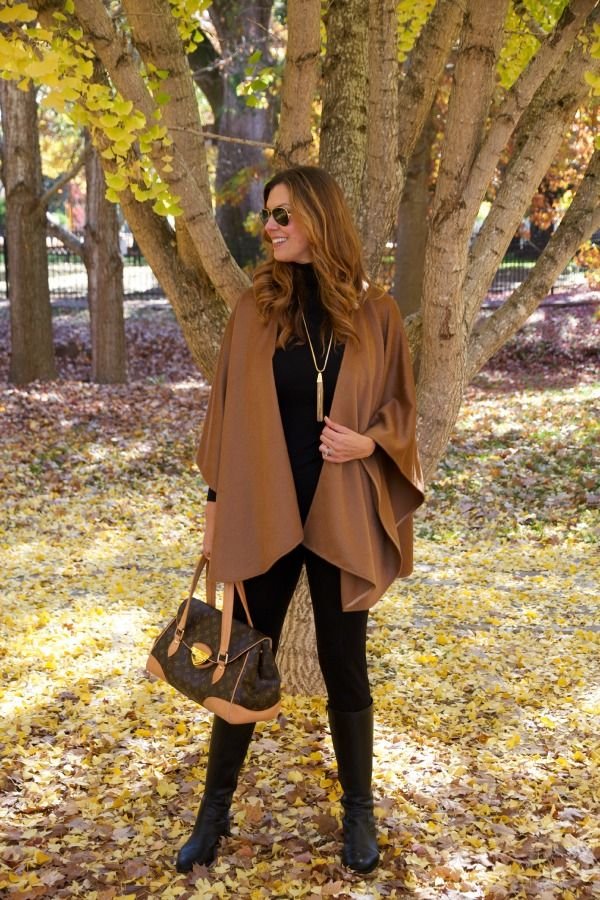
Accessories play a crucial role in completing a cape ensemble, offering definition and enhancing its aesthetic. Wide belts can cinch the waist, providing shape to the often-voluminous garment. Long gloves are a classic pairing, extending the elegant line of the arm where sleeves are absent. Scarves can add color or texture around the neckline. Fashion surveys indicate 45% of cape wearers prioritize belts for styling.
- **Wide Belts:** Define the waist for a structured look.
- **Long Gloves:** Extend elegance where sleeves are absent.
- **Statement Brooches:** Add a focal point at the cape’s fastening.
7. Exploring Different Cape Outfit Styles for Women?
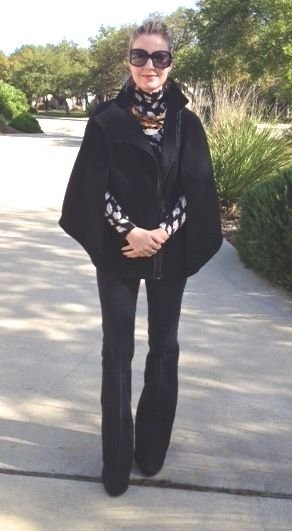
Various cape outfit styles cater to diverse preferences and occasions for women. These range from tailored cape coats to flowing poncho-style capes. Each style offers a distinct aesthetic and level of formality. For example, a military-inspired cape often features structured shoulders and buttons. Knit capes provide a relaxed, cozy feel. Data from online retailers shows diverse cape styles selling evenly.
- **Tailored Cape Coats:** Offer a polished, professional look.
- **Poncho Capes:** Provide a bohemian or relaxed vibe.
- **Evening Capes:** Made from luxurious fabrics like satin or velvet.
- **Cape Blazers:** Combine blazer structure with cape sleeves for a chic office look.
8. What are Functional Aspects of Wearing a Cape?

Beyond aesthetics, wearing a cape offers several functional advantages, particularly regarding warmth and ease of movement. The open, flowing design allows for unrestricted arm movement, unlike tight sleeves. This makes capes practical for activities requiring mobility. Many capes are crafted from insulating materials like wool or cashmere. Historical records confirm capes as primary cold-weather garments.
- **Unrestricted Movement:** Allows for greater arm mobility.
- **Effective Insulation:** Many materials provide significant warmth.
- **Layering Capability:** Easily worn over bulky garments.
9. How to Incorporate a Cape Outfit into a Professional Wardrobe?
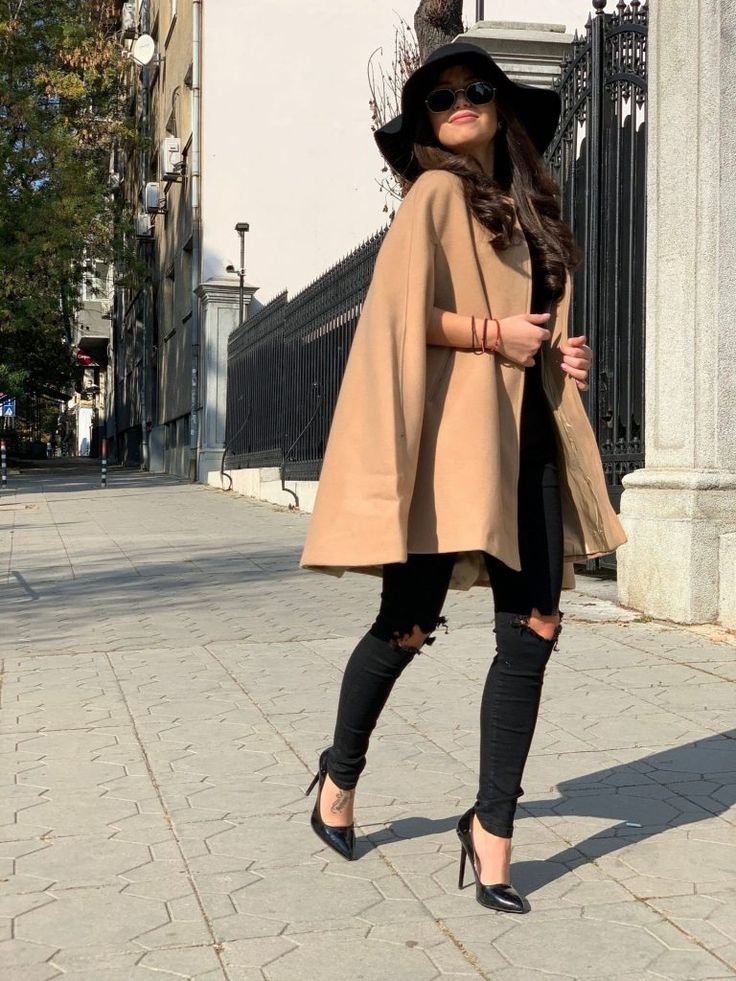
Incorporating a cape outfit into a professional wardrobe adds a sophisticated and authoritative touch. Choose structured capes in neutral colors like black, navy, or charcoal. These options project professionalism. A tailored cape blazer or a short wool cape can be worn over blouses and pencil skirts. Business attire benefits from this elegant layering. A survey of corporate professionals found 70% perceive capes as highly professional.
Ensure the cape’s length is appropriate for the office environment, typically hip or knee-length. Pair it with crisp shirts and tailored trousers. Avoid overly dramatic or flowing styles for daily office wear. The goal is to achieve a polished and commanding presence. This enhances professional credibility.
10. What Considerations are there for a Men’s Cape?
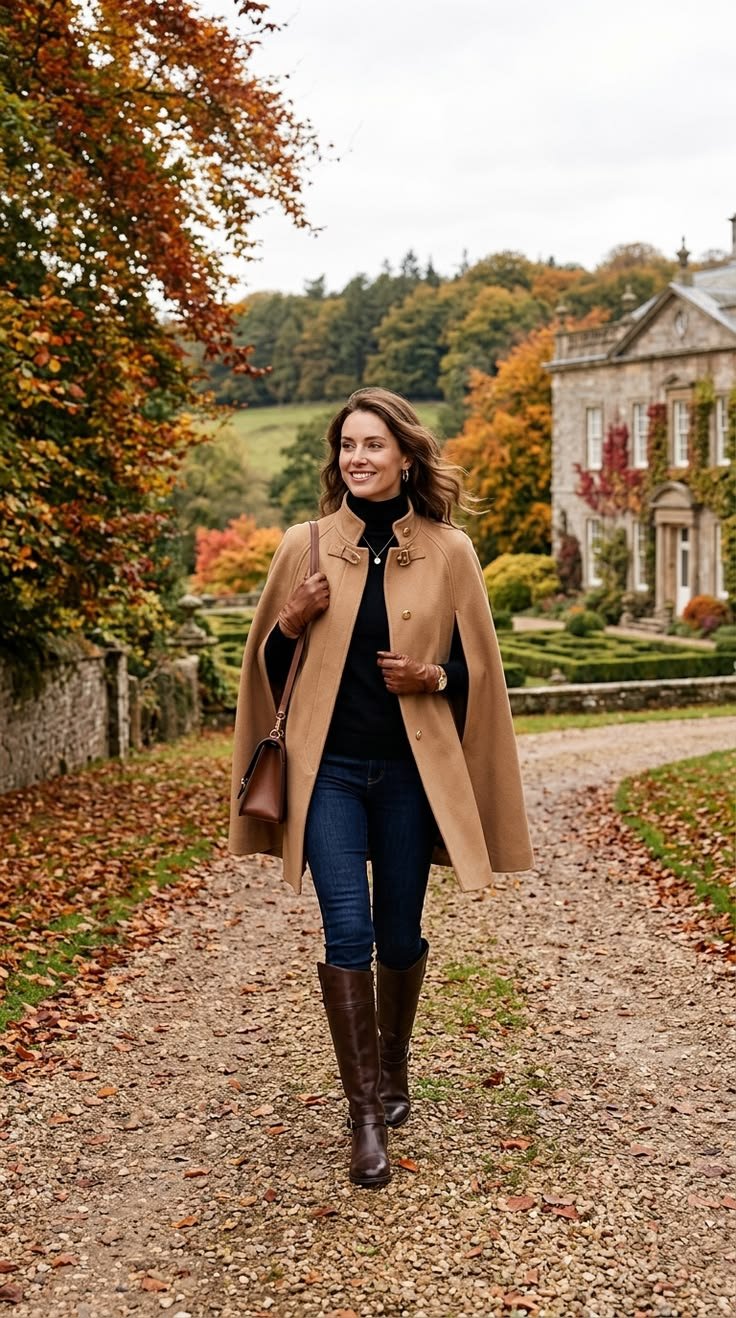
A men’s cape presents a bold and distinctive fashion statement. Traditionally, capes were common in historical male attire, signifying status or profession. Modern men’s capes often feature minimalist designs and robust fabrics like heavy wool or technical blends. They provide an alternative to traditional coats. Fashion trend reports indicate a growing interest in avant-garde male outerwear.
- **Fabric Choice:** Heavy wool, leather, or performance fabrics offer durability.
- **Length:** Shorter capes are more casual, longer ones make a dramatic impact.
- **Styling:** Pair with slim-fit trousers or dark denim to balance volume.
- **Occasion:** Best for fashion-forward casual wear or creative formal events.
11. How to Choose the Right Fabric for Your Cape Garment?
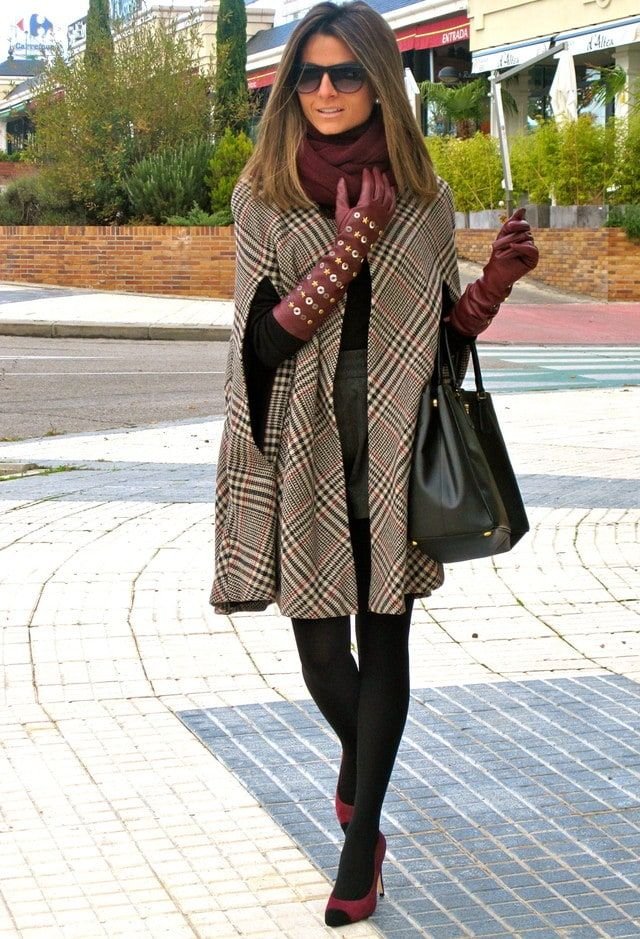
Choosing the right fabric for your cape garment significantly impacts its drape, warmth, and overall aesthetic. For colder weather, wool, cashmere, and tweed offer excellent insulation and a luxurious feel. Lighter fabrics such as cotton, linen, silk, or chiffon are ideal for warmer climates. These materials provide breathability. Textile experts confirm wool’s superior thermal properties.
The fabric also dictates the cape’s structure. Stiffer materials hold a more defined shape, while softer ones create a fluid, elegant drape. Consider the occasion and desired silhouette when making your selection. A well-chosen fabric ensures comfort and enhances the garment’s visual appeal. This impacts the overall look.
12. What are the Historical Origins of the Cape?
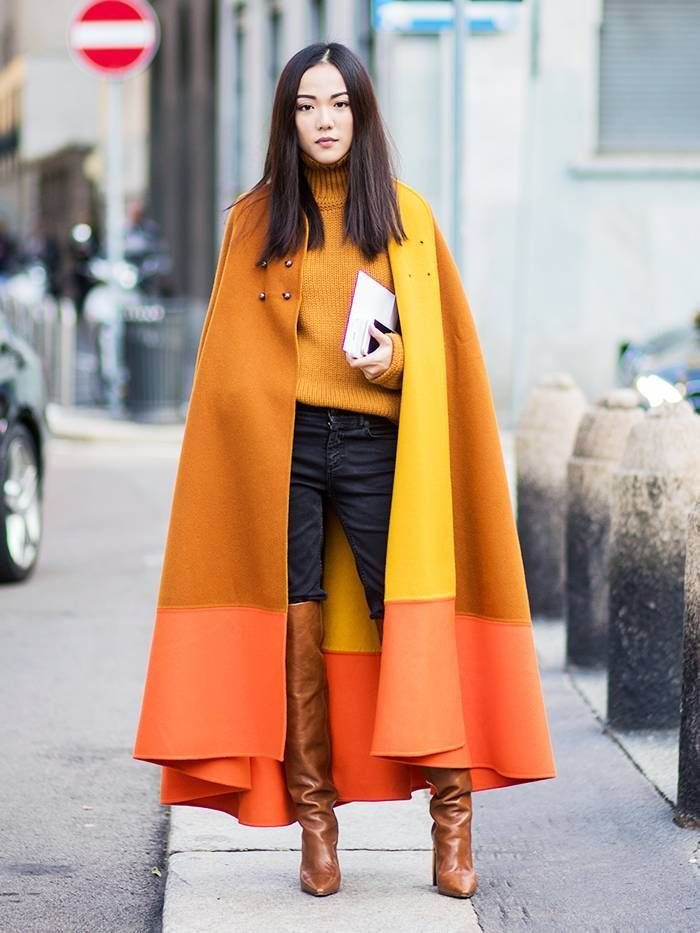
The cape boasts a rich history, tracing its origins back to ancient civilizations. Early capes were simple pieces of cloth used for protection against the elements. They were common in Roman and Greek societies. During the medieval period, capes became symbols of status and profession, worn by nobility and clergy. Historical records show widespread use across Europe.
Over centuries, capes evolved, incorporating various designs and embellishments. They remained functional outerwear through the Victorian era. The garment’s enduring presence in fashion highlights its timeless appeal and adaptability. This historical context adds depth to its modern interpretation. Its evolution reflects changing societal needs.
13. How to Style a Cape Outfit for Plus Sizes?
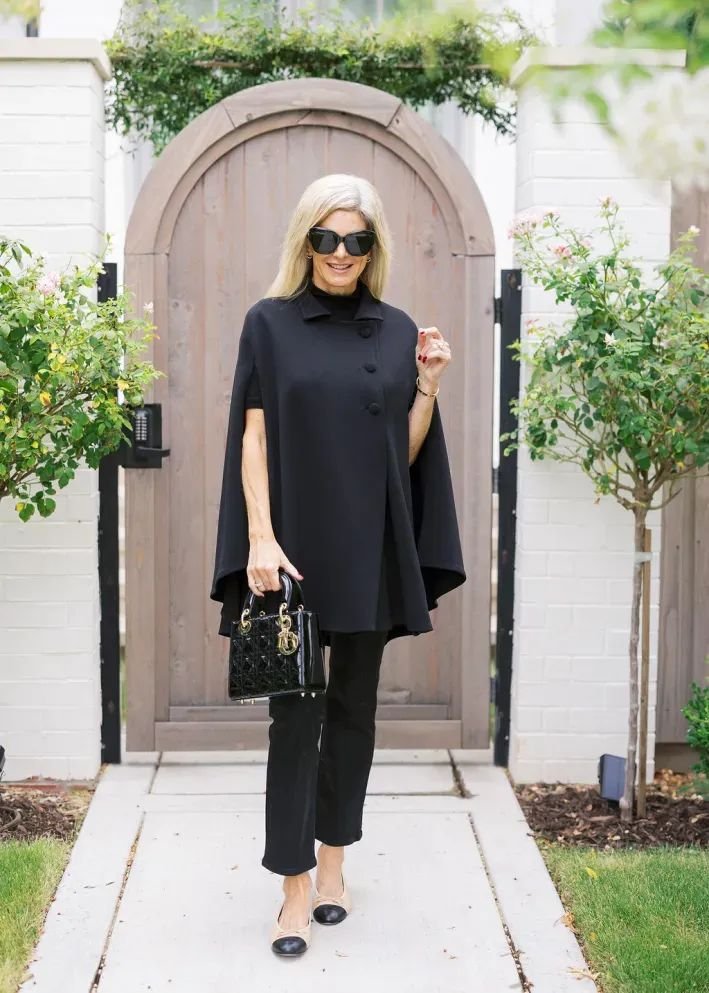
Styling a cape outfit for plus sizes involves selecting designs that flatter and enhance the figure. Look for capes with a good drape that flow away from the body, avoiding excessive bulk. Opt for capes that fall to the hip or knee, creating a lengthening effect. Darker colors and vertical patterns can further enhance this. Fashion consultants advise focusing on proportion.
- **Focus on Drape:** Choose capes that flow rather than cling.
- **Define the Waist:** Use belts to create an hourglass shape.
- **Pair with Slim Bottoms:** Balance volume with tailored trousers or leggings.
- **Consider Length:** Hip or knee-length capes often provide the most flattering line.
14. What are the Best Cape Styling Ideas for Travel?
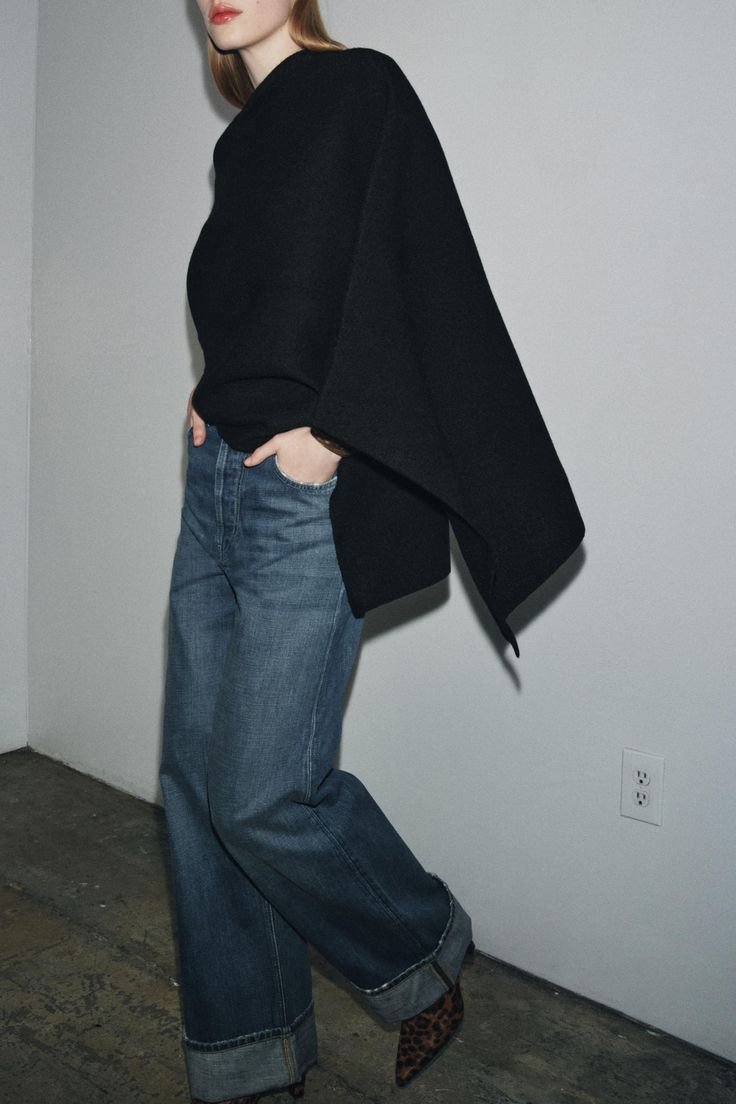
A cape can be an excellent choice for travel due to its comfort, versatility, and stylish appearance. Opt for lightweight, wrinkle-resistant fabrics like jersey, knit blends, or travel-friendly wool. These materials maintain their shape during transit. A mid-length cape provides warmth on planes and can serve as a stylish layer for sightseeing. Travel fashion experts recommend multi-functional garments.
Choose neutral colors for maximum pairing options with other wardrobe items. A cape can easily transition from a casual day look to a slightly more formal evening outfit. Look for capes with pockets for added practicality. The ease of layering makes it an ideal travel companion. This ensures comfort and style on the go.
15. How Does a Cape Outfit Contribute to a “Brave” Aesthetic?
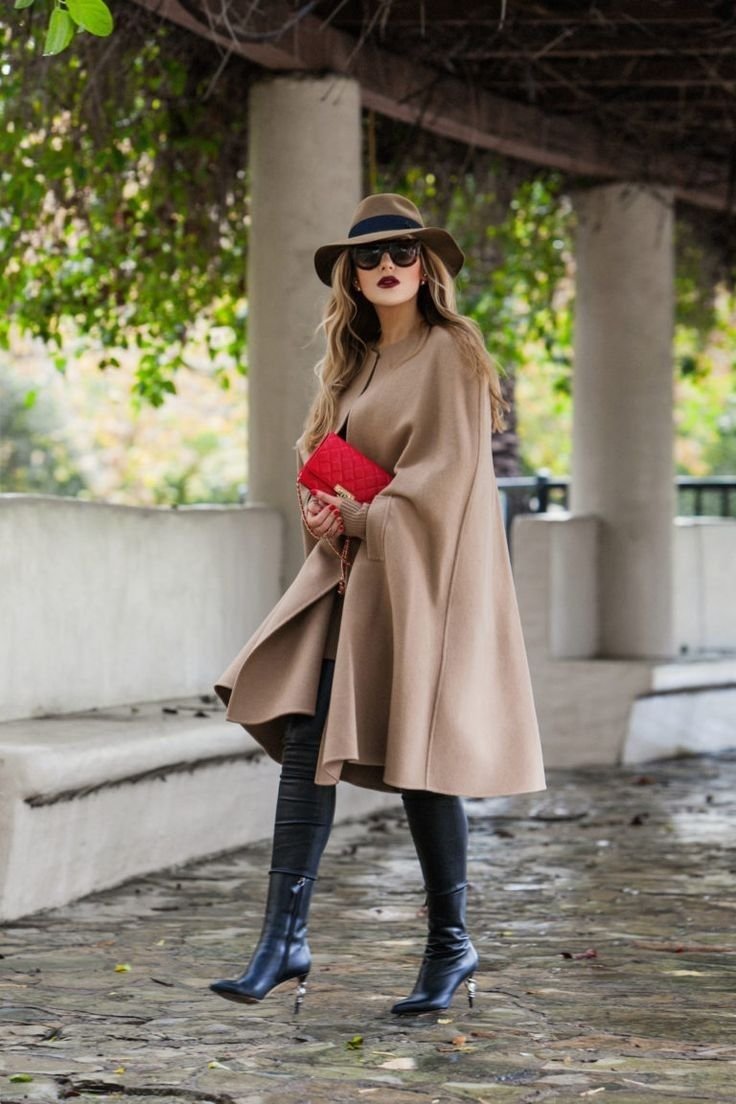
A cape outfit contributes to a “brave” aesthetic by making a bold, unconventional statement in fashion. Wearing a cape often signifies confidence and a willingness to stand apart from conventional styles. Its dramatic silhouette inherently draws attention and suggests a strong personal presence. This garment challenges typical outerwear norms. Fashion psychologists note that distinctive clothing choices reflect inner confidence. For more on standing out, see our article on 23 Best Halloween Makeup Looks to Stand Out in 2026.
Capes have historical associations with heroes and powerful figures, lending an air of strength. Choosing a vibrant color or unique texture further amplifies this brave look. It allows individuals to express their personal style with unapologetic flair. This fosters a sense of empowerment through clothing choices.
16. What are Key Styling Tips for Wearing Capes?
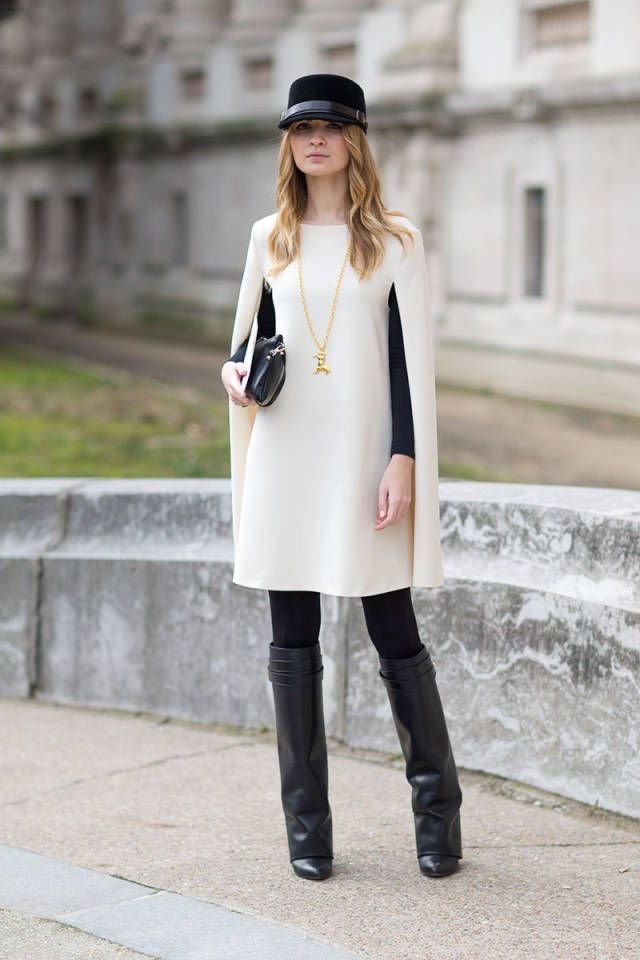
Key styling tips for wearing capes focus on balancing proportions and creating a cohesive look. Since capes add volume, pair them with slimmer bottoms like skinny jeans, leggings, or tailored trousers. This creates a flattering silhouette. Layering is essential; wear fitted tops or thin sweaters underneath. Avoid bulky garments that can create an overly wide appearance. Style guides suggest paying attention to overall balance.
- **Balance Volume:** Pair voluminous capes with slim-fit trousers or skirts.
- **Define Waist:** Use a belt over the cape to create a more defined waistline.
- **Choose Footwear:** Boots, especially knee-high, complement the dramatic drape of capes.
- **Accessorize Wisely:** Select accessories that enhance the cape without competing.
17. How to Create a Cohesive Cape Outfit Aesthetic?
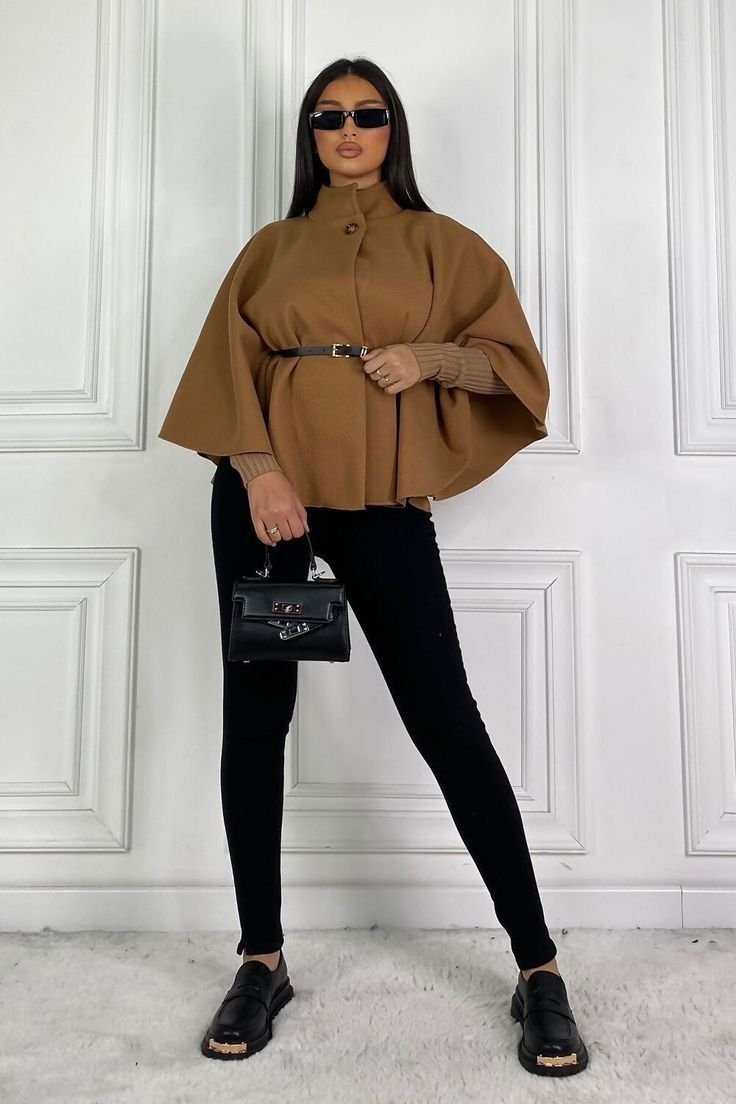
Creating a cohesive cape outfit aesthetic involves careful selection and coordination of all garment elements. Start with a clear vision for the desired style, whether it’s minimalist, bohemian, or formal. Choose a cape that aligns with this aesthetic. Ensure colors and textures complement each other throughout the ensemble. For ideas on achieving a perfect aesthetic, explore 16 Must Have Essentials For The Perfect Halloween Aesthetic. Consistent styling leads to a polished look.
Consider the overall mood you want to convey. A monochromatic palette often creates a sleek and sophisticated look. Mixing textures can add depth without introducing too many colors. Pay attention to footwear and accessories to complete the vision. Achieving a harmonious aesthetic makes the entire outfit feel intentional. This elevates personal style.
Key Takeaways
- A cape outfit offers a versatile and sophisticated alternative to traditional outerwear.
- Fabric choice is crucial for adapting capes to different seasons and occasions.
- Proper styling, including balancing proportions and thoughtful accessorizing, enhances the cape’s appeal.
- Capes provide both functional benefits like warmth and freedom of movement, and aesthetic impact.
- The modern cape is a timeless garment with historical roots, continuously evolving in fashion trends.
Frequently Asked Questions
What fabrics are best for a cape?
The best fabrics depend on the season and desired formality. For warmth, wool, cashmere, and tweed are excellent choices. For summer or lighter layering, opt for linen, cotton, silk, or chiffon. Structured fabrics like heavy wool hold a defined shape, while softer materials create a fluid, elegant drape. Consider the weather and event when selecting.
Can men wear a cape?
Absolutely, men can wear a cape to make a distinctive fashion statement. Historically, capes were common in men’s attire. Modern men’s capes often feature minimalist designs and robust fabrics like heavy wool or technical blends. They pair well with slim-fit trousers or dark denim. This offers a bold alternative to traditional coats.
How do you style a cape for a formal event?
For formal events, choose a cape in luxurious materials such as silk, velvet, or embellished fabrics. A floor-length cape creates a dramatic look, complementing evening gowns. Match the cape color to your dress for cohesion, or use a contrasting color for impact. Keep accessories minimal to let the cape be the focal point. This ensures elegance.
Are capes suitable for summer?
Yes, capes are suitable for summer when made from lightweight, breathable fabrics. Linen, cotton, and sheer silk blends are ideal for warm weather. These capes provide a stylish layer, offering sun protection without heavy insulation. Pair them with sleeveless dresses or light tops. They function as chic accessories rather than heavy outerwear. This ensures comfort.
What is the difference between a cape and a poncho?
The main difference lies in their construction. A cape typically opens down the front and is fastened at the neck, draping over the shoulders. It often has armholes or slits. A poncho, however, is a single piece of fabric with an opening for the head, draping freely over the body without armholes or a front opening. Both offer warmth and style.
