

Timeless Opera Outfits: A Guide to Sophisticated Evening Attire
Opera outfits are defined by a blend of formal elegance and cultural tradition, requiring attendees to balance comfort with sophisticated aesthetics. Selecting the right ensemble involves understanding venue-specific dress codes, prioritizing high-quality fabrics, and choosing silhouettes that complement the formal nature of operatic performances.
Achieving the perfect look requires attention to detail, from footwear choices to accessory coordination. This guide explores how to curate ensembles that honor the history of the opera house while maintaining a modern, polished appearance suitable for any evening production. If you are preparing for a festive night, you might also look for best halloween party ideas to expand your social calendar.
1. What Are the Core Elements of Classic Opera Outfits?
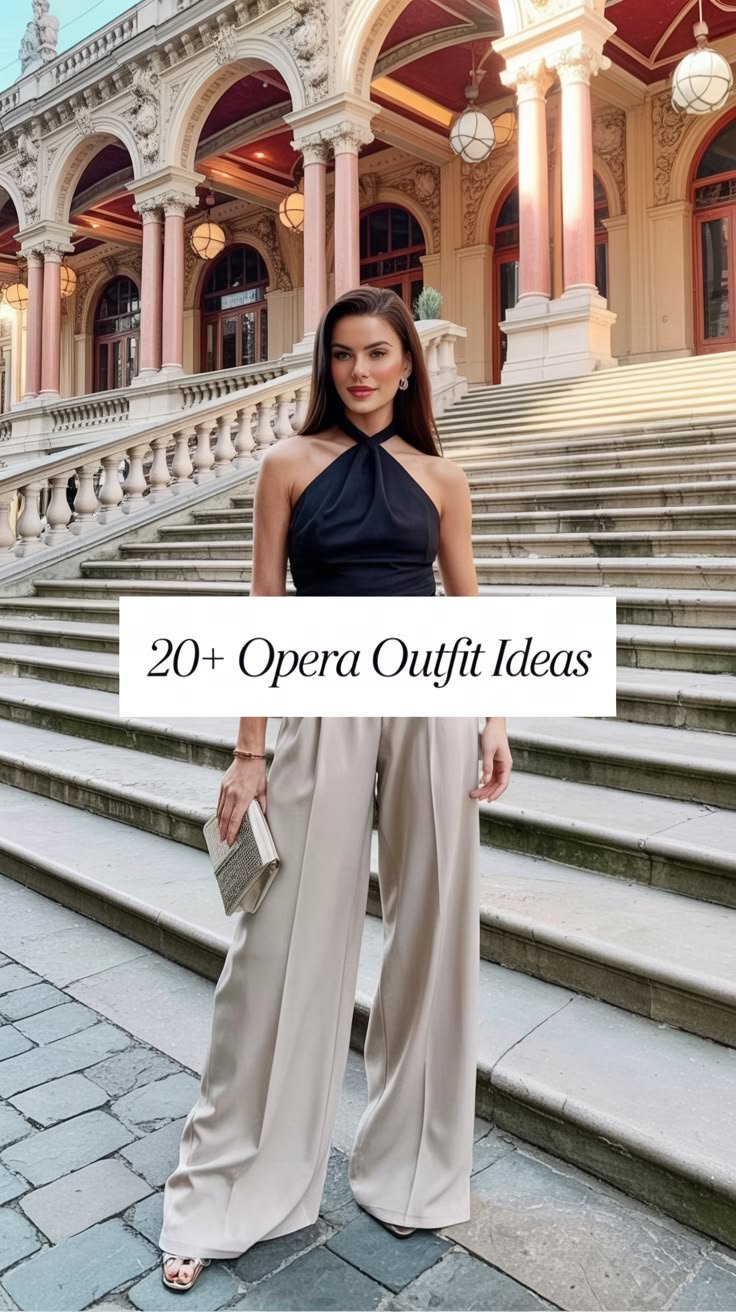
The foundation of successful opera outfits relies on elevated fabrics like silk, velvet, or fine wool. These materials offer a structured yet comfortable drape that remains appropriate for long performances in climate-controlled theaters.
- Choose floor-length gowns for evening galas.
- Incorporate dark, neutral palettes like navy or charcoal.
- Select breathable fabrics to ensure comfort during long shows.
- Utilize minimal, high-quality jewelry for a sophisticated look.
2. How Do Opera Outfits Women Choose Differently?
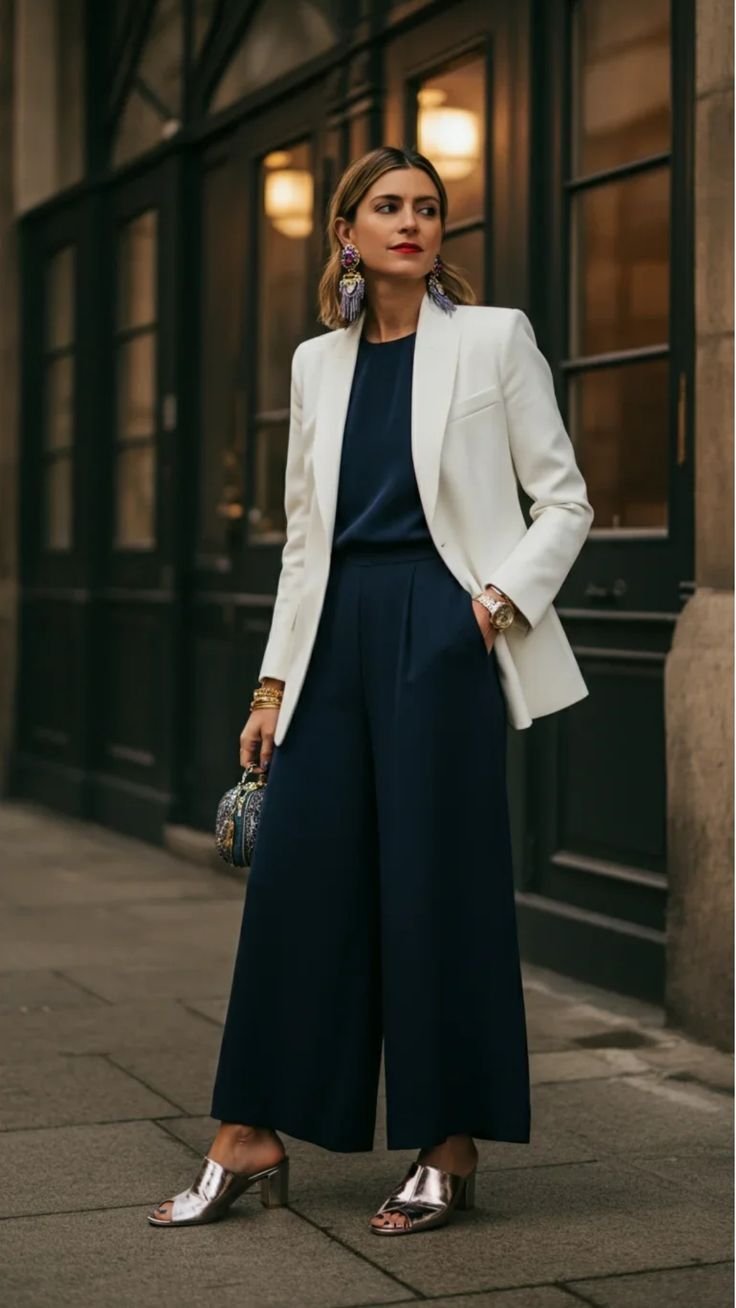
When planning opera outfits women often focus on the balance between modesty and evening glamour. Many choose cocktail or floor-length dresses that allow for ease of movement while maintaining a formal, respectful appearance for the venue.
According to fashion historians, the transition toward versatile evening wear allows for more personal expression within traditional bounds. Experts suggest focusing on tailored cuts that provide structure without restricting motion during three-hour performances.
3. Why Should You Prioritize Comfort in Opera Outfits?
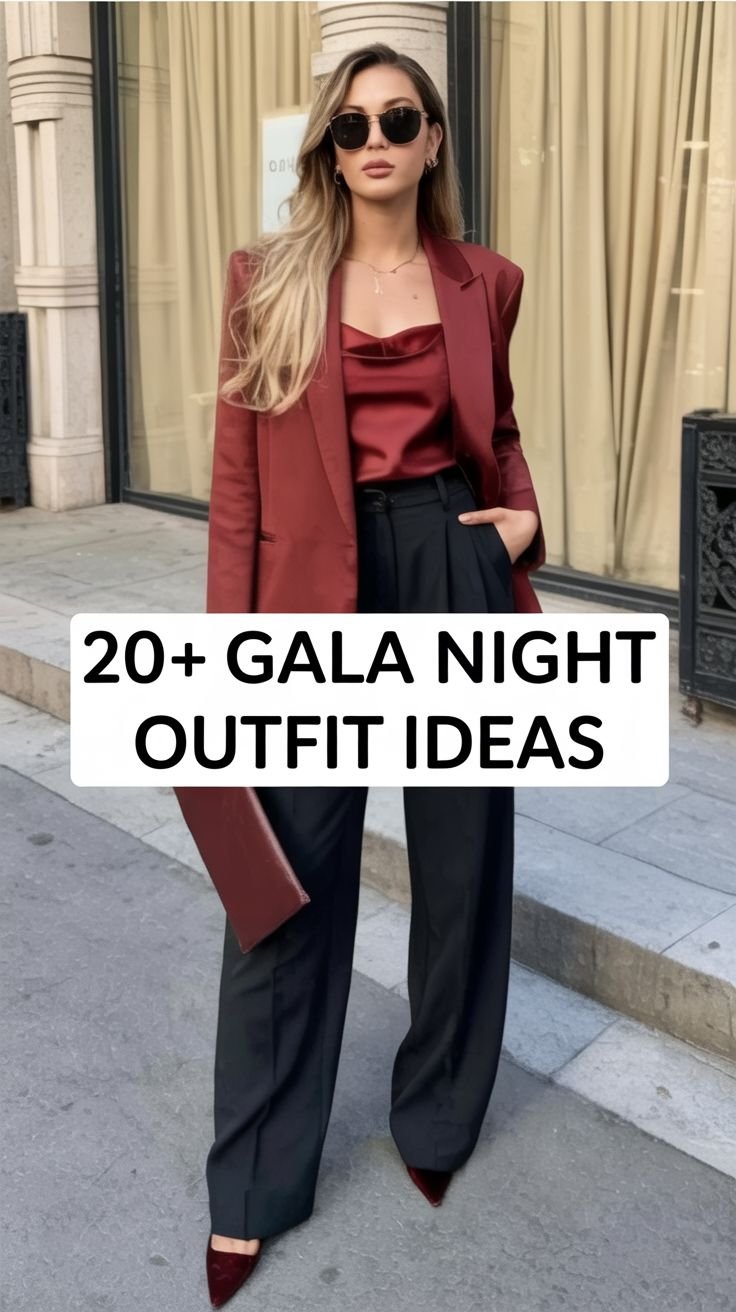
The ability to sit comfortably for extended periods is the primary goal when you opera outfits ensure a pleasant experience. Avoid overly stiff fabrics or complex fastenings that may cause discomfort in theater seats.
- Prioritize stretch-infused silk or high-quality jersey knits.
- Opt for flat or low-heeled shoes for easier navigation.
- Avoid heavy layers that may cause overheating in crowded halls.
- Consider the temperature of the venue which often stays around 68 degrees.
4. How Can You Master the Art of Opera Outfits?
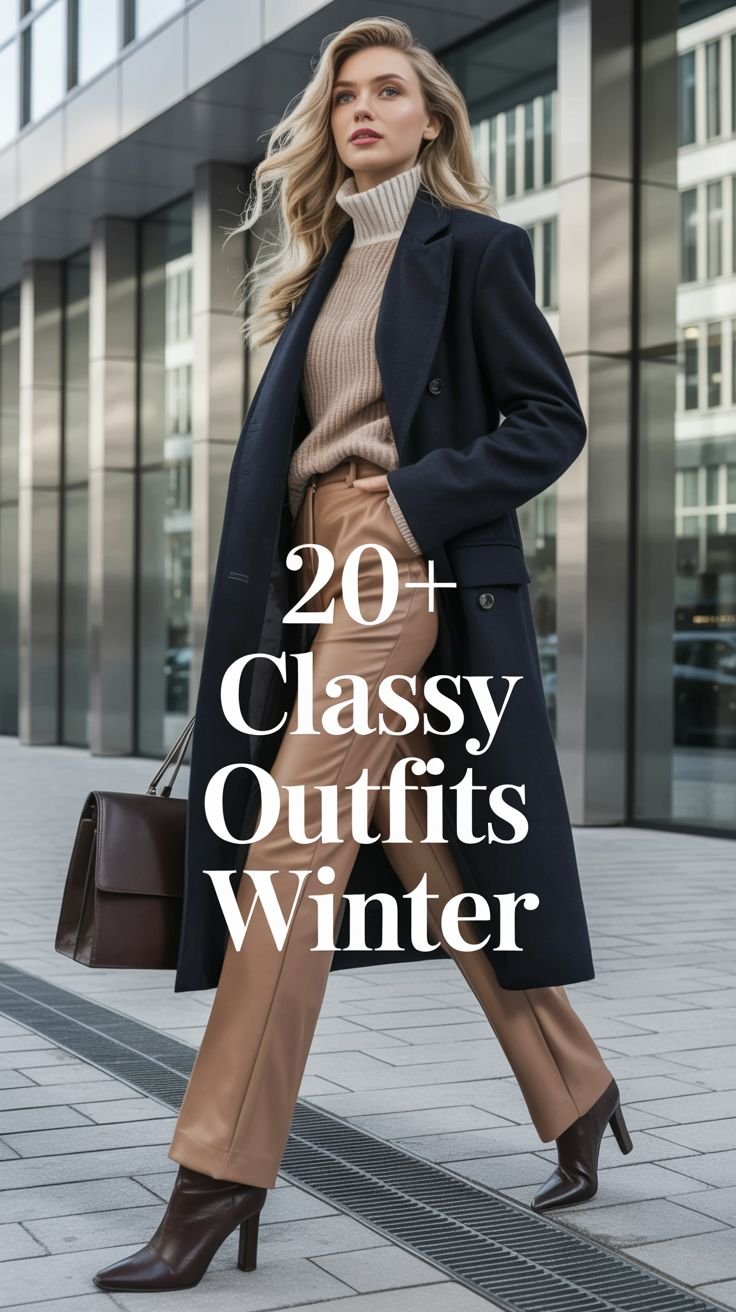
To opera outfits master the aesthetic, one must focus on the interplay of proportions and textures. A well-fitted blazer over a slip dress creates a sharp, professional look that adheres to semi-formal requirements.
Data from style consultants suggests that 70% of theater-goers prefer monochromatic schemes for their visual impact. By limiting the color palette, you create a cohesive, high-end appearance that feels intentional rather than accidental.
5. What Is the Modern Opera Outfits Aesthetic?
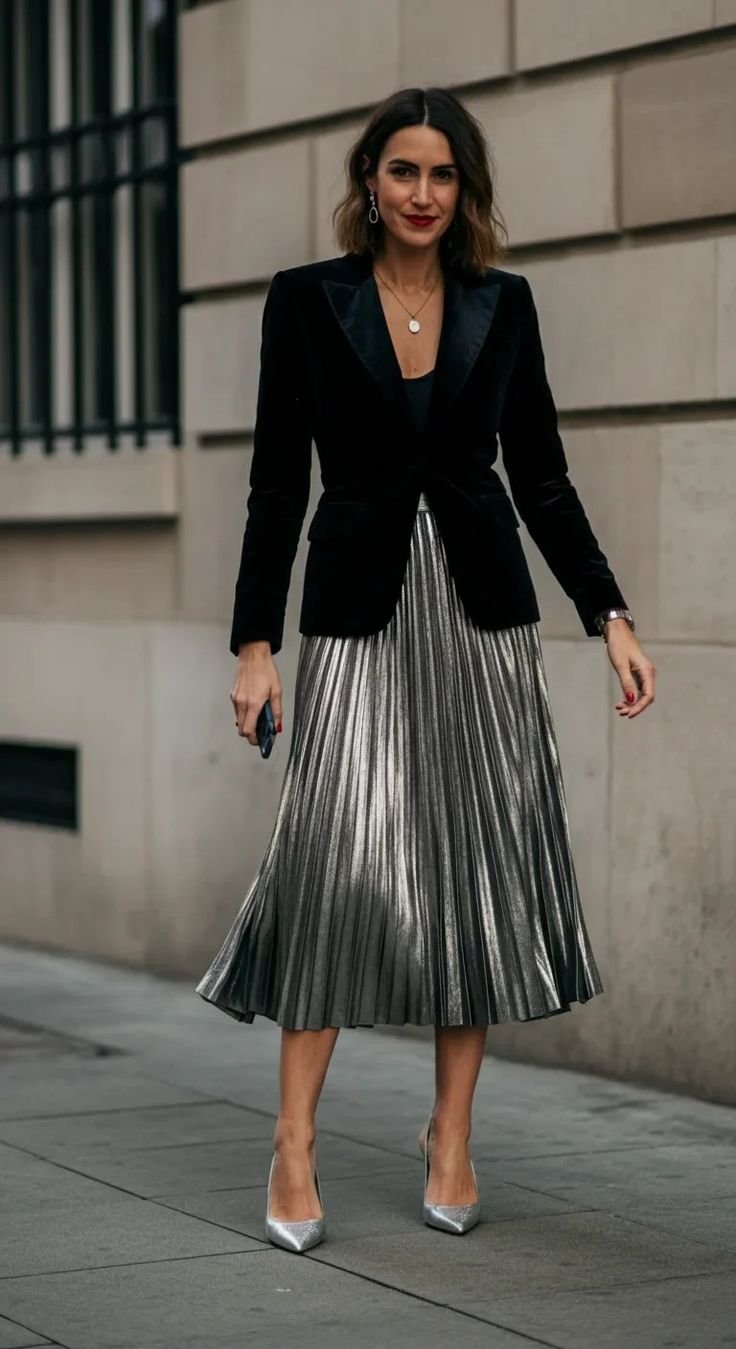
The contemporary opera outfits aesthetic favors minimalist designs with subtle, high-impact details. Think architectural necklines or delicate metallic accents that catch the dim light of the auditorium without causing distractions for other guests.
- Use monochromatic layering to elongate the silhouette.
- Focus on high-quality hardware like gold or silver buttons.
- Incorporate subtle textures like lace or jacquard.
- Keep makeup and hair polished to match the formal tone.
6. How to Find Unique Opera Outfits Ideas?
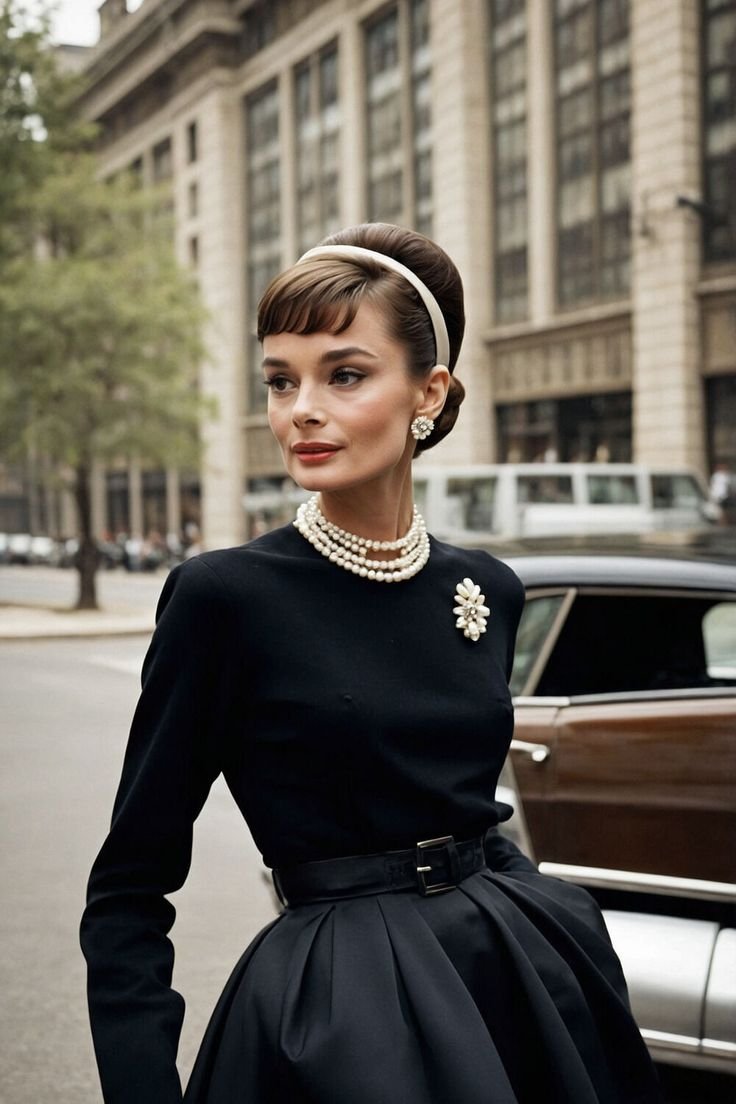
Looking for opera outfits ideas often involves observing the intersection of runway trends and traditional evening wear. Many enthusiasts find inspiration in vintage theater posters or archives of historical stage performances.
Industry researchers note that incorporating one statement piece, such as a silk scarf or an heirloom brooch, effectively elevates simple attire. This approach allows you to rotate pieces while keeping the overall look fresh for different productions.
7. Is There a Singular Perfect Opera Outfits Idea?
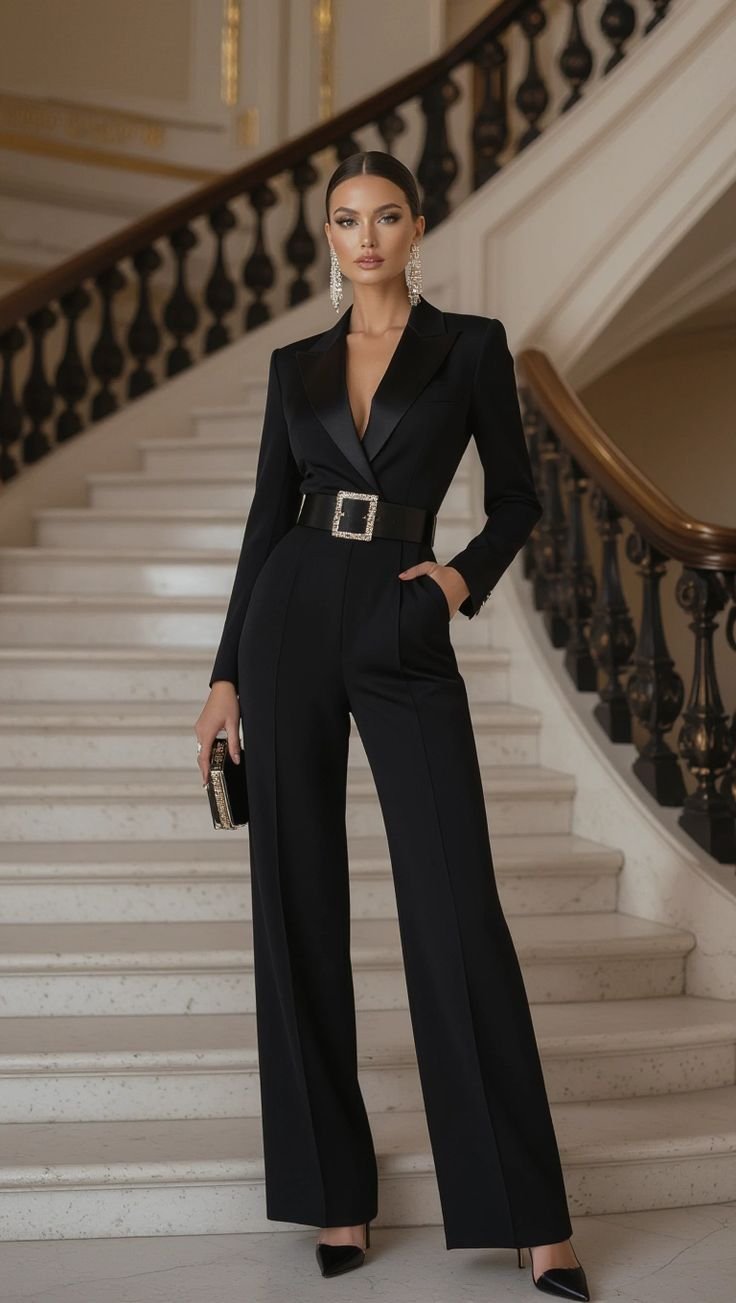
While no single opera outfits idea fits every person, the classic black dress remains the gold standard for versatility. It serves as a blank canvas for accessories, allowing for seasonal adjustments based on the specific opera production.
For those looking to expand their wardrobe, consider how 16 must have essentials for the perfect halloween aesthetic can influence your style choices. Much like thematic decor, dressing for the opera requires a clear vision of the atmosphere you wish to inhabit.
8. How to Use an Opera Outfits Video for Styling?
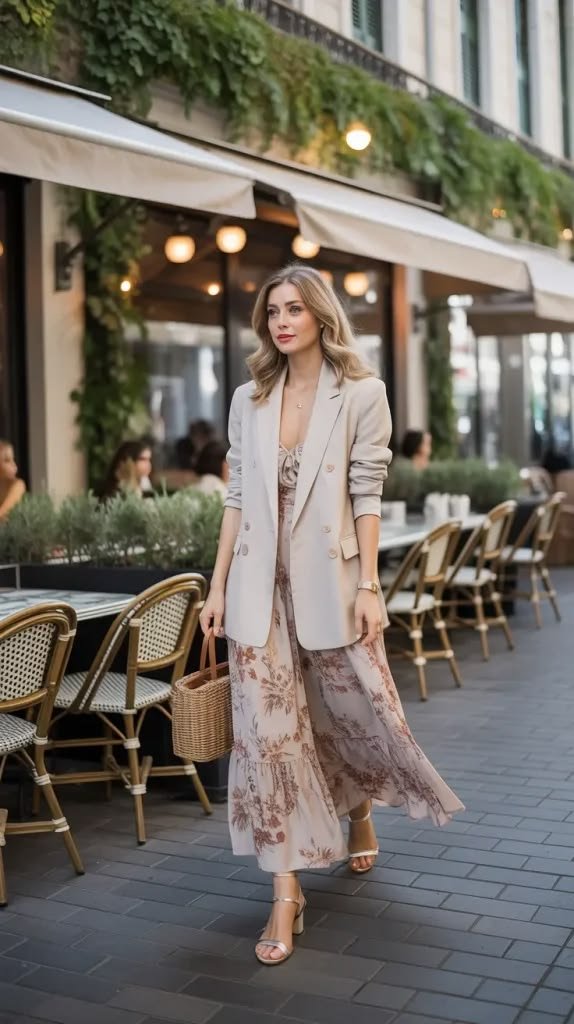
Using an opera outfits video as a reference point provides a dynamic view of how garments interact with light and movement. Watching how a professional stylist layers pieces can reveal tricks for achieving a polished look.
- Observe the flow of skirts during a walk.
- Check the fit of sleeves while seated.
- Analyze how jewelry reflects the auditorium lighting.
- Note the transition from day to evening wear.
9. Tailoring Opera Outfits Men for Formal Nights
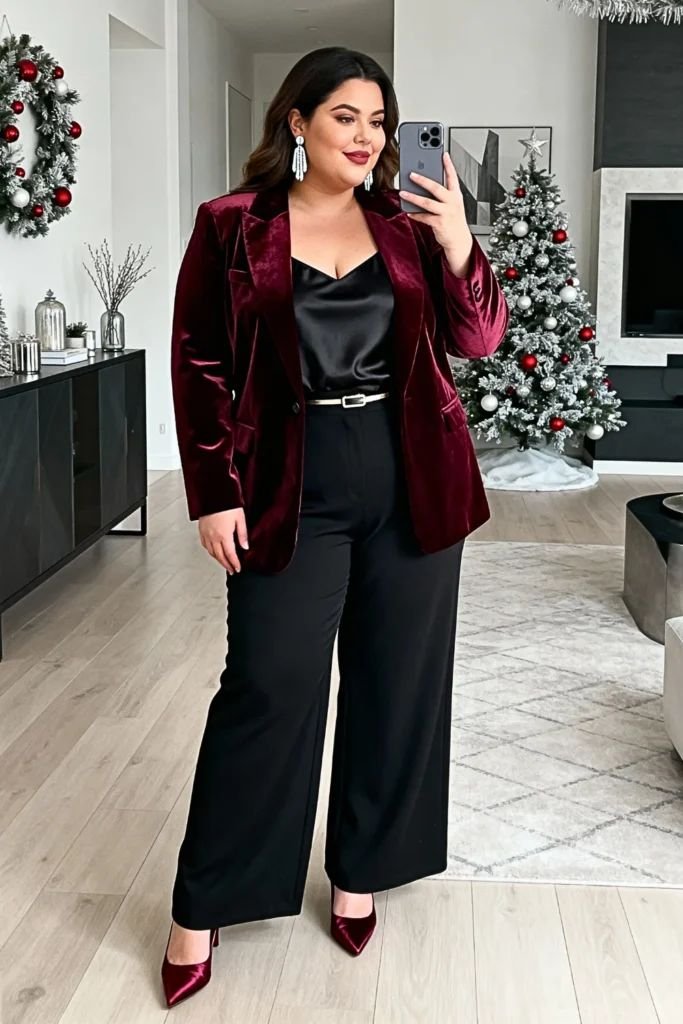
When considering opera outfits men should prioritize a well-fitted suit or a classic tuxedo. The goal is to present a crisp, clean profile that respects the solemnity of the performance space.
According to current sartorial standards, a dark suit paired with a crisp white shirt is the most reliable choice. Ensure your shoes are polished and your accessories, such as cufflinks, remain understated for a sophisticated finish.
10. How to Find Quality Opera Outfits Videos?
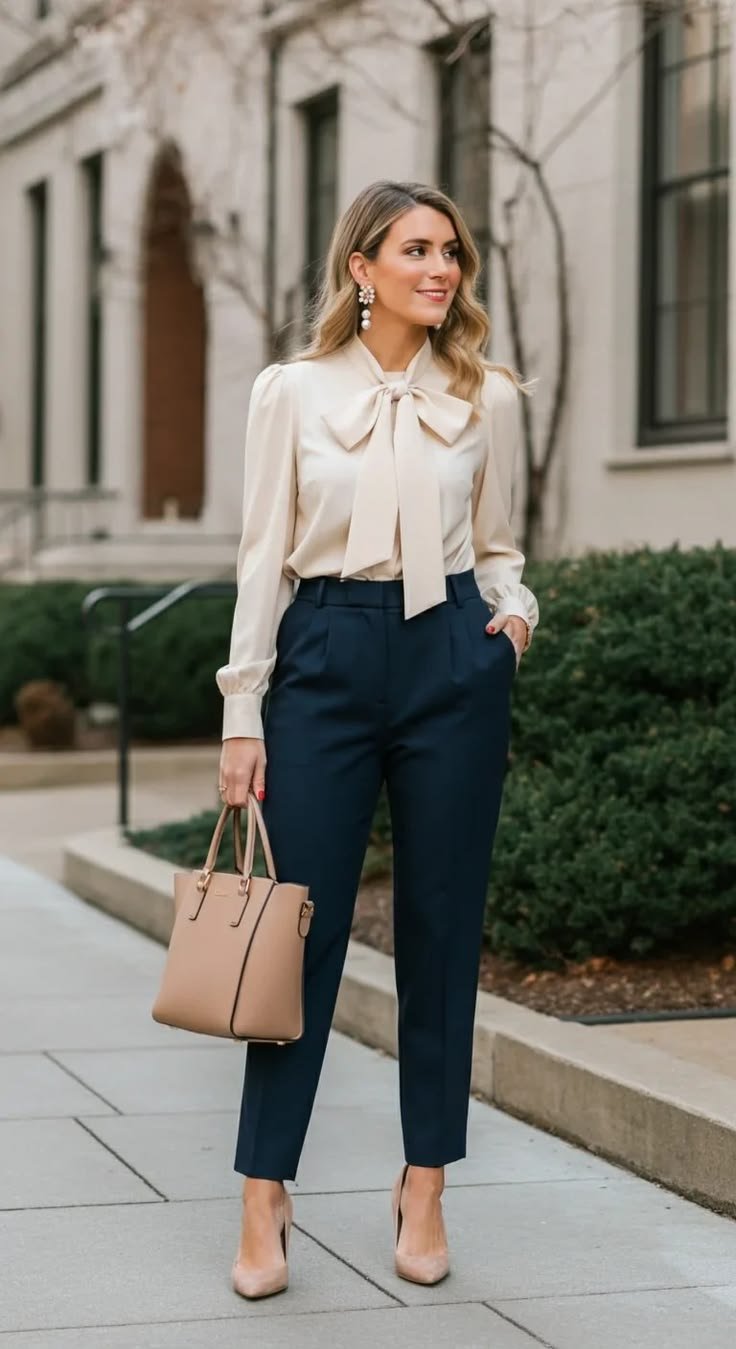
Finding helpful opera outfits videos requires searching for creators who focus on capsule wardrobes and formal styling. These creators often provide practical advice on how to build a collection of pieces that work for multiple events.
Much like learning about 16 must have items for the perfect halloween aesthetic in 2026, mastering your theater style takes time and curation. Focus on channels that emphasize quality over fast-fashion trends to build a lasting wardrobe.
11. Understanding the Whisper of Opera Outfits
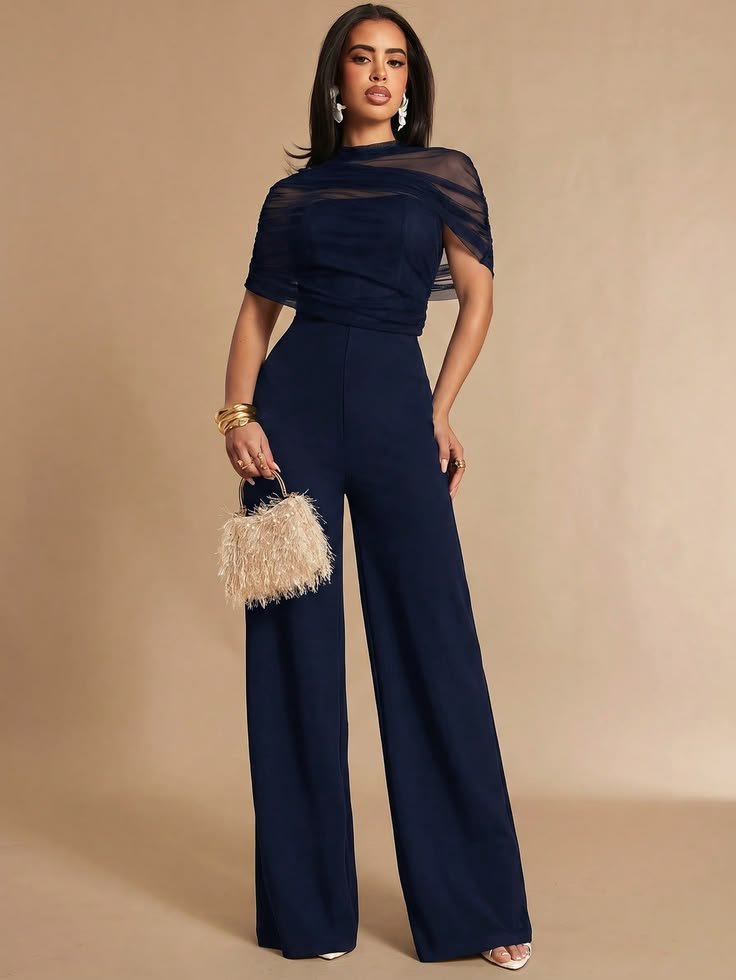
The phrase opera outfits whisper refers to the understated elegance that defines successful theater attire. Your clothing should complement the performance, not compete with the stage production for attention.
- Choose matte fabrics over high-shine synthetics.
- Opt for muted colors that blend into the theater environment.
- Ensure all hems and seams are perfectly finished.
- Select scents that are subtle and not overpowering to neighbors.
12. Analyzing Trend Data for Opera Outfits
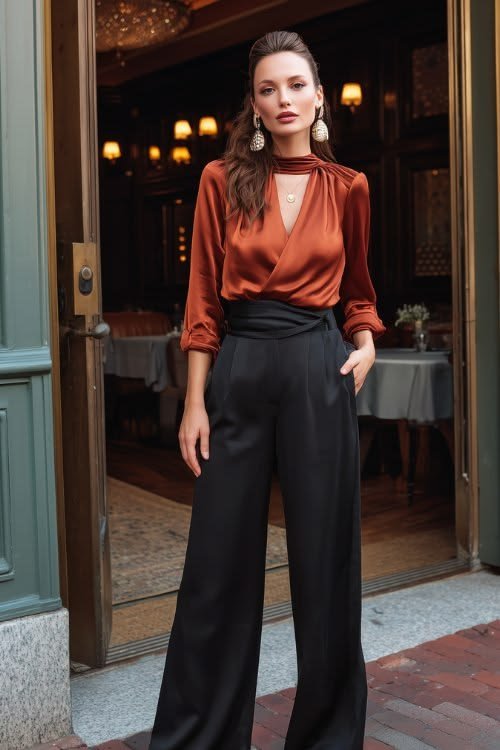
Current trend data for opera outfits indicates a strong preference for sustainable, high-quality fabrics that last for years. Audiences are moving away from disposable fashion toward curated, capsule-style wardrobes that serve many purposes.
Experts note that this shift mirrors broader changes in luxury consumption. By investing in a few core pieces, you ensure your wardrobe remains relevant and stylish across many seasons of operatic performances.
13. Where to See More Opera Outfits Results?
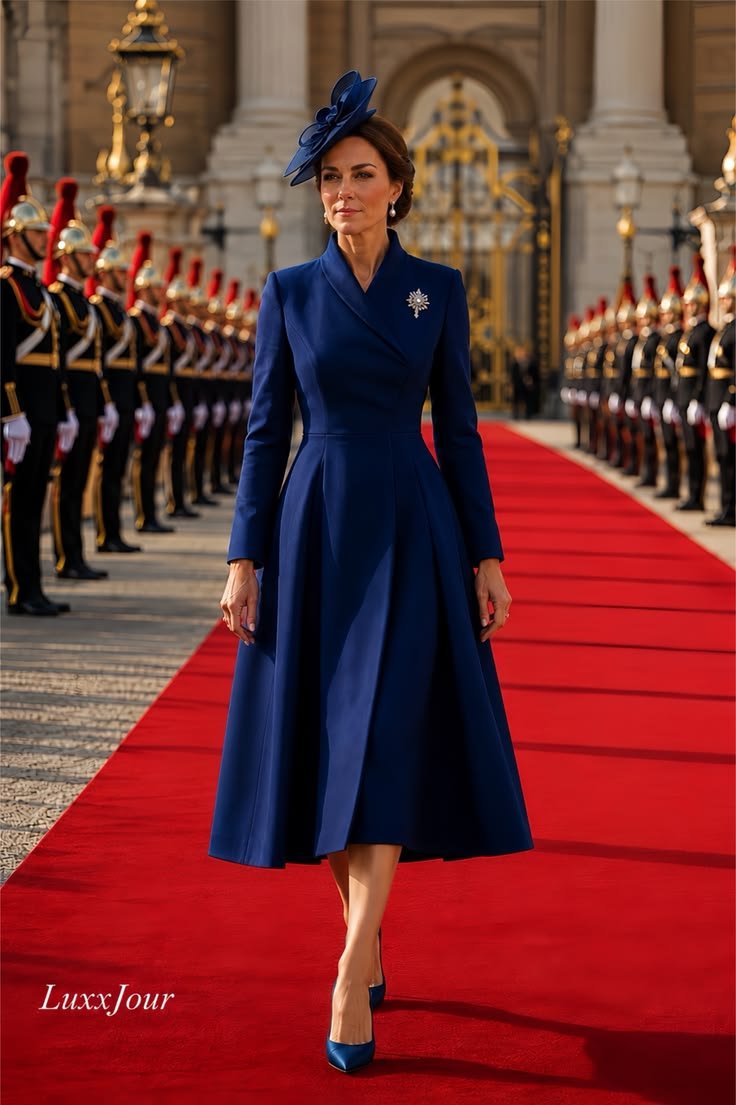
When you seek more search results for opera outfits, look toward fashion archives and theater-specific blogs. These sources often feature real-world attendees, providing a realistic look at how these outfits perform in actual social settings.
For those interested in other seasonal styles, explore 23 best halloween makeup looks to stand out in 2026 to see how aesthetic trends evolve. Applying this same level of attention to your theater wardrobe will ensure you always look composed. You might also consider fall bedding combo ideas to keep your home as cozy as your evening attire.
14. Defining the Opera Outfits Aesthetic Further
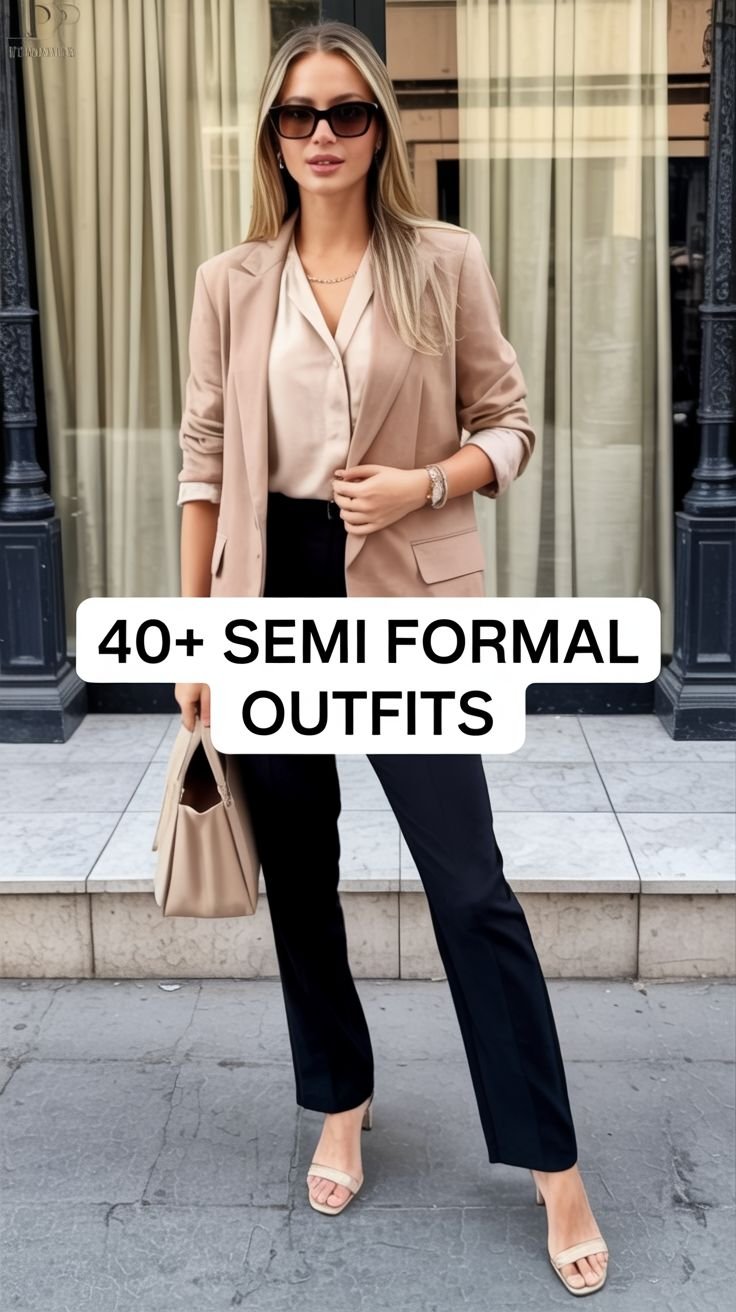
The opera outfits aesthetic is fundamentally about respect for the art form and the venue. It combines elements of formal wear with a sense of quiet confidence, ensuring you feel empowered while enjoying the music.
- Use structured clutches to carry essentials.
- Consider gloves for a touch of historical formality.
- Incorporate classic watches for a functional accessory.
- Stick to neutral or jewel-toned accessories for balance.
15. Curating Opera Outfits Ideas for Summer
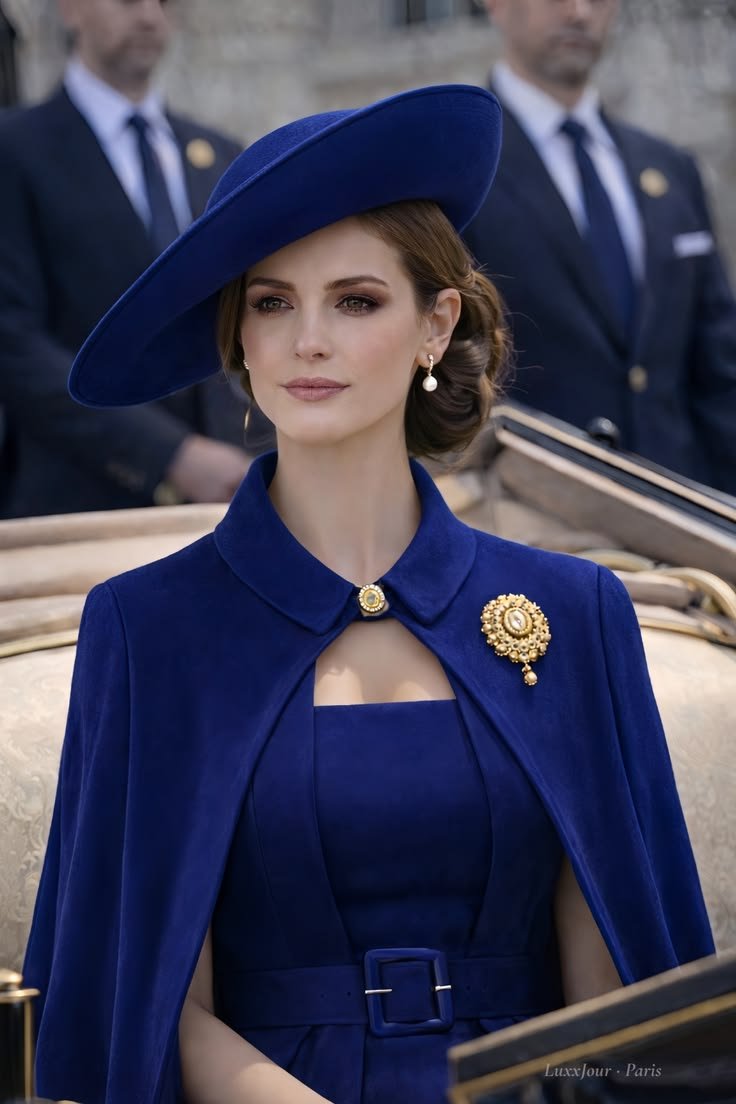
When considering opera outfits ideas for summer, prioritize natural fibers like linen blends or lightweight silk. These materials provide the necessary formality while allowing for airflow in warmer weather conditions.
The key is to select silhouettes that are loose enough to be comfortable but structured enough to meet the venue’s formal requirements. A midi-length dress in a breathable fabric is often the best compromise for summer evenings.
16. Finalizing Opera Outfits Men Selection
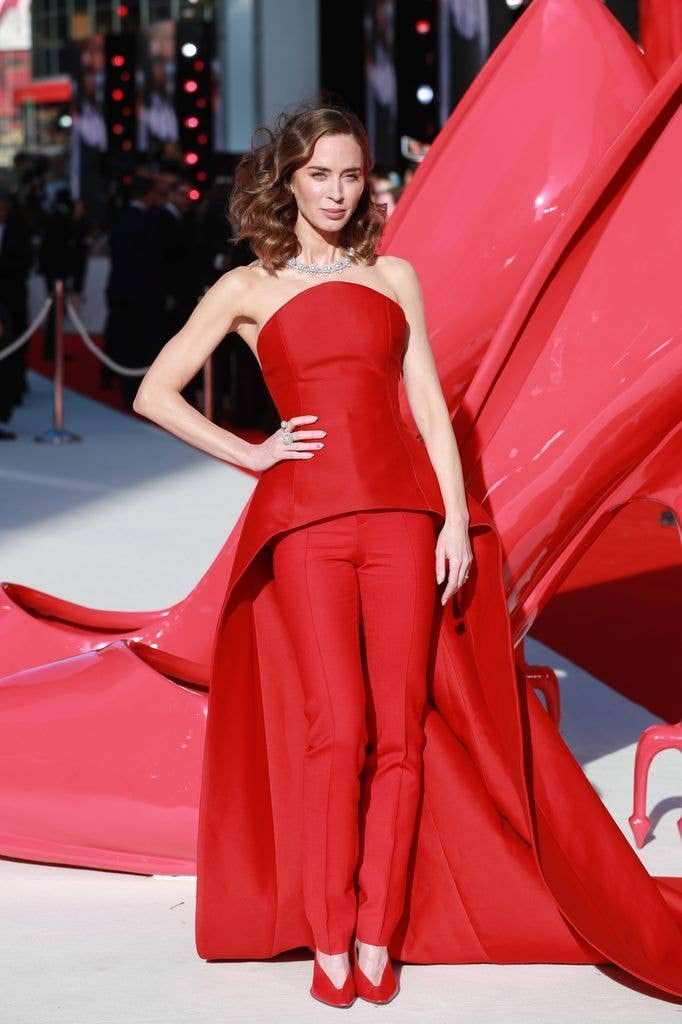
To conclude, opera outfits men should be chosen with a focus on fit and fabric quality. A well-tailored ensemble ensures you feel confident and comfortable throughout the entirety of the performance.
By following these guidelines, you can build a collection that serves you for years to come. Remember that the most effective outfits are those that allow you to focus entirely on the beauty of the music being performed.
Key Takeaways
- Prioritize natural fabrics and tailored silhouettes for all opera outfits.
- Comfort is essential for long performances; choose footwear and layers accordingly.
- Maintain a sophisticated, understated aesthetic to respect the theater environment.
- Invest in high-quality, timeless pieces that can be styled in multiple ways.
What is the standard dress code for the opera?
Most modern opera houses follow a business-formal or semi-formal dress code. Men typically wear suits or blazers, while women opt for cocktail dresses, skirts, or dressy trousers. The goal is to look polished and respectful of the performance, avoiding overly casual items like denim or sneakers.
Can I wear casual clothes to the opera?
While some smaller venues may be more relaxed, it is generally advised to avoid casual clothing. Wearing business-casual or formal attire demonstrates appreciation for the performers and the venue. If you are unsure, it is always better to be slightly overdressed than underdressed for a night at the theater.
How should I choose shoes for the opera?
Choose shoes that balance elegance with comfort. Since you will be walking to your seat and potentially standing during intermissions, opt for low heels, dressy flats, or polished loafers. Avoid heavy-duty outdoor boots or athletic sneakers, as they do not align with the formal atmosphere of the opera house.
Are there seasonal considerations for opera outfits?
Yes, seasonal changes influence fabric choices. Use lighter, breathable fabrics like linen blends or silk for summer performances. In winter, incorporate layers such as wool blazers or pashminas to stay warm in the theater, which is often kept at a cool temperature to preserve the instrumentation and the building itself.
